Complete History of Japan
Japan is an island country that spent most of its history apart from the world, and then, in a single lifetime, remade itself twice: once in 1868, when the Meiji Restoration turned a feudal society of samurai and rice taxes into a modern industrial state, and again after 1945, when a defeated country rebuilt itself into the world's second-largest economy. This site tells that story in eleven chapters, from the first samurai shogun in 1192 to the bullet train that opened in 1964. Each guide explains one part of the story in plain English: what happened, why it mattered, and what is still argued about. Start anywhere; the story makes sense in any order, but it is best read from the beginning.
Start here
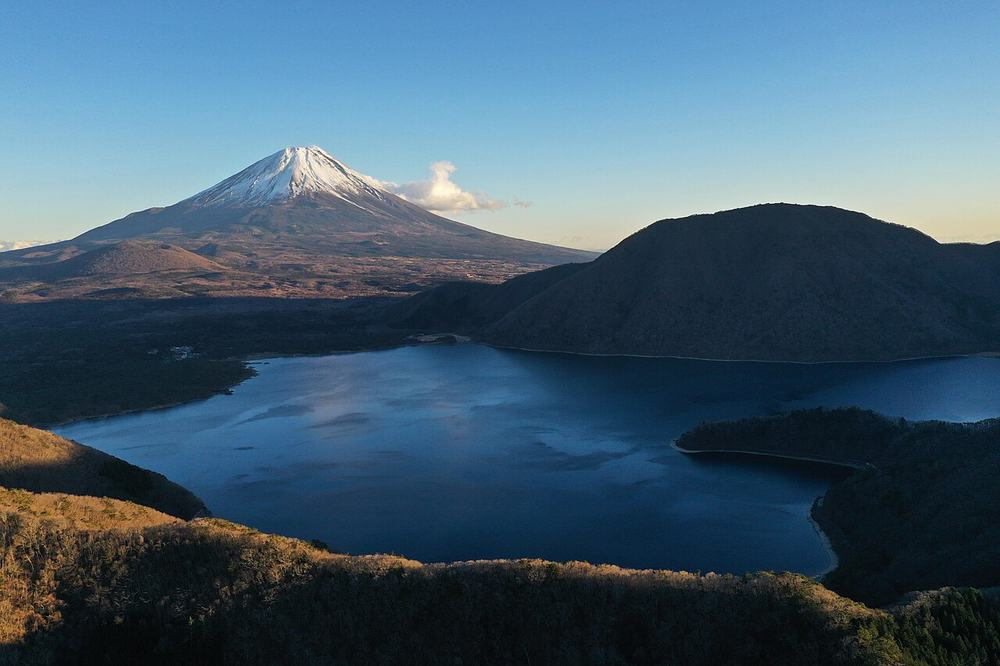
Five numbers tell the story. The samurai took power in 1185, when Minamoto no Yoritomo defeated the Taira clan and set up Japan's first military government. Mount Fuji, the country's highest mountain, rises 3,776 metres (12,388 feet) above the plain. The Edo period, 250 years of peace under the Tokugawa shoguns, began in 1603 and ended with the Meiji Restoration of 1868. The Shinkansen bullet train, which opened on 1 October 1964, ran at 210 kilometres per hour — the fastest train in the world. And in 1968, just twenty-three years after defeat in war, Japan became the world's second-largest economy.
The warrior centuries
- The Rise and Fall of the Samurai — the warrior class that ruled Japan for nearly 700 years, from 1192 to 1876.
- Feudal Japan — emperor, shogun, daimyo and samurai, held together by land, rice and loyalty.
- The Edo Period — 250 years of peace, closed borders and strict order, from 1603 to 1868.
A nation remade
- The Meiji Restoration — how Japan ended the shogunate in 1868 and modernised in a single generation.
- Pearl Harbor and World War II — the attack of 7 December 1941 and the war that ended on 2 September 1945.
- Hiroshima and Nagasaki — the atomic bombings of August 1945 and what the two cities became.
- The Post-War Economic Miracle — from ruins in 1945 to the world's second-largest economy by 1968.
Japan today
- Mount Fuji — Japan's highest mountain at 3,776 metres, a volcano that last erupted in 1707.
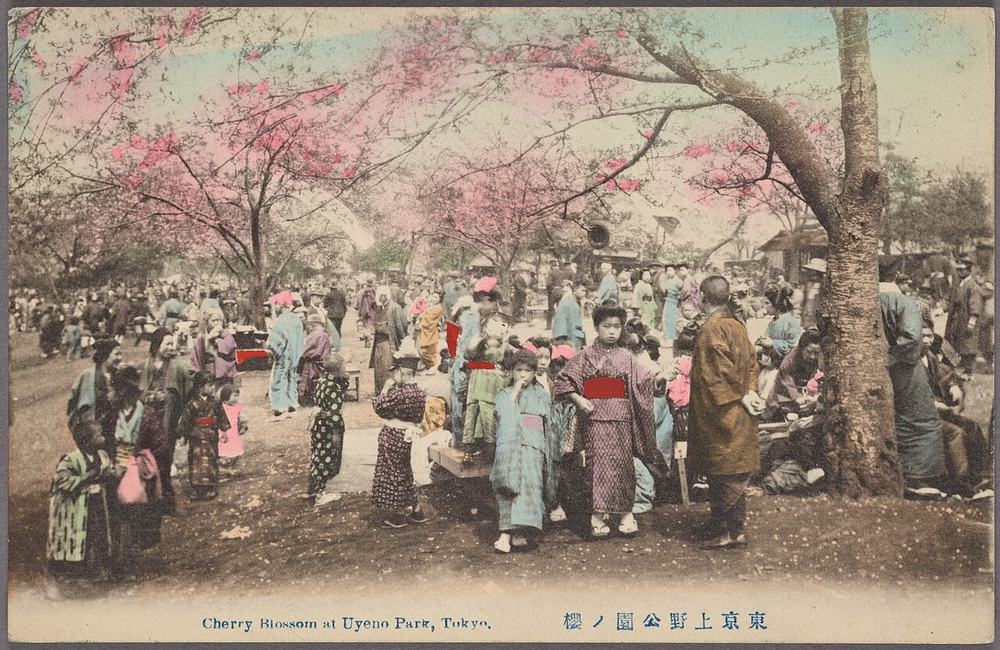
- Cherry Blossom Culture — hanami, flower viewing, a custom more than a thousand years old.
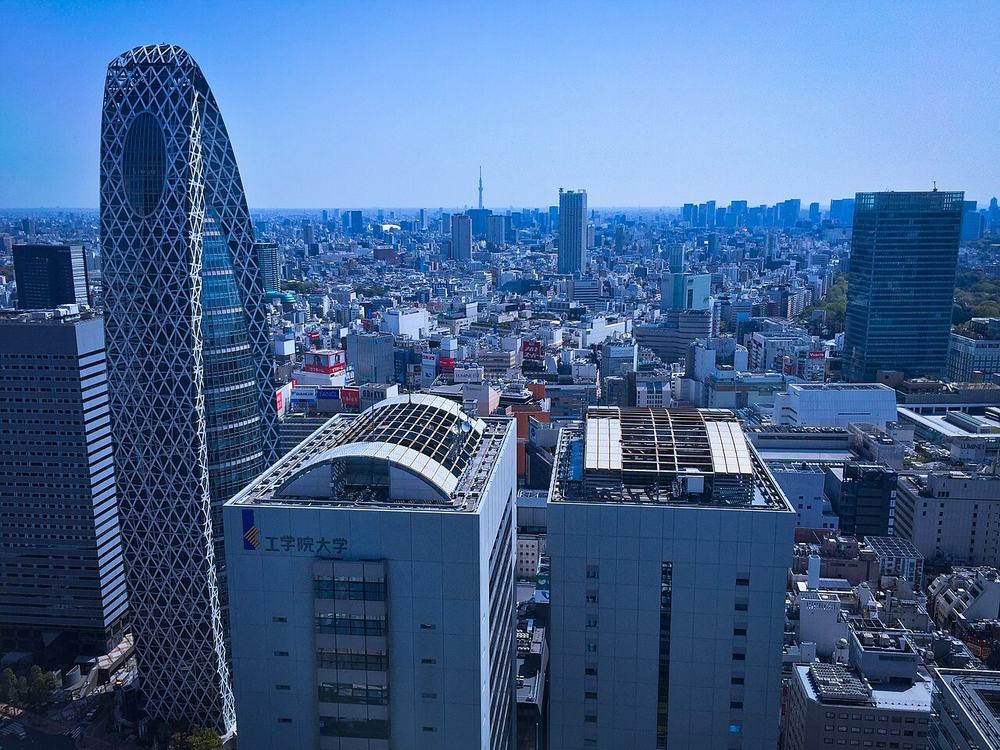
- Tokyo — from the shogun's castle town of Edo to the largest metropolitan area on earth.
- The Shinkansen — the bullet train that opened in 1964 and has never killed a passenger in an accident.
What this site will not do
Japan Decoded is general information for curious readers, not advice for any specific purpose — it will not tell you what to buy, what to invest in, or how to travel. It recommends no products, ranks no "best" anything, carries no affiliate links, and never collects your email address. Dates before the modern era are approximate, and the guides say so where the evidence is uncertain; where historians disagree, the guides name the debate instead of picking a side. The guides on the war and the atomic bombings are written factually and soberly, without graphic detail and without taking a political side.
All dates on this site were checked against the sources named on each page on 28 November 2026. Dates before the modern era are approximate, and each guide says where the evidence is uncertain or historians disagree.
Sources: This site's facts come from primary and reference sources named on each page: Britannica, the World History Encyclopedia, the US National Archives, Columbia University, the Japan Meteorological Agency's public materials via Nippon.com and Highlighting Japan, UNESCO, and Wikipedia.