Feudal Japan
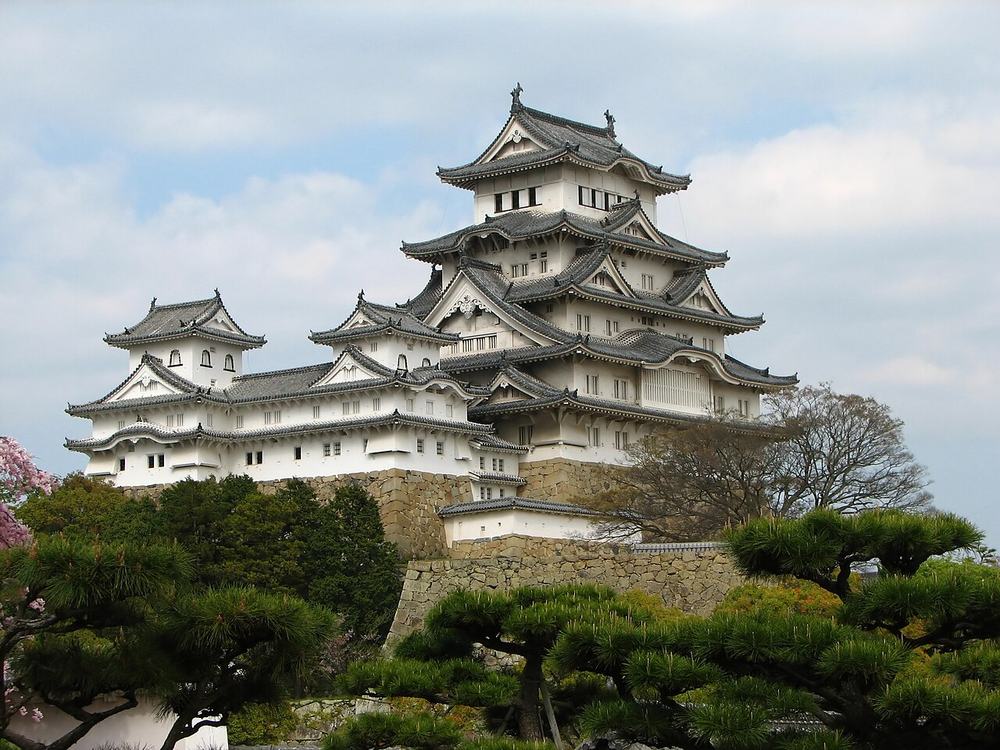
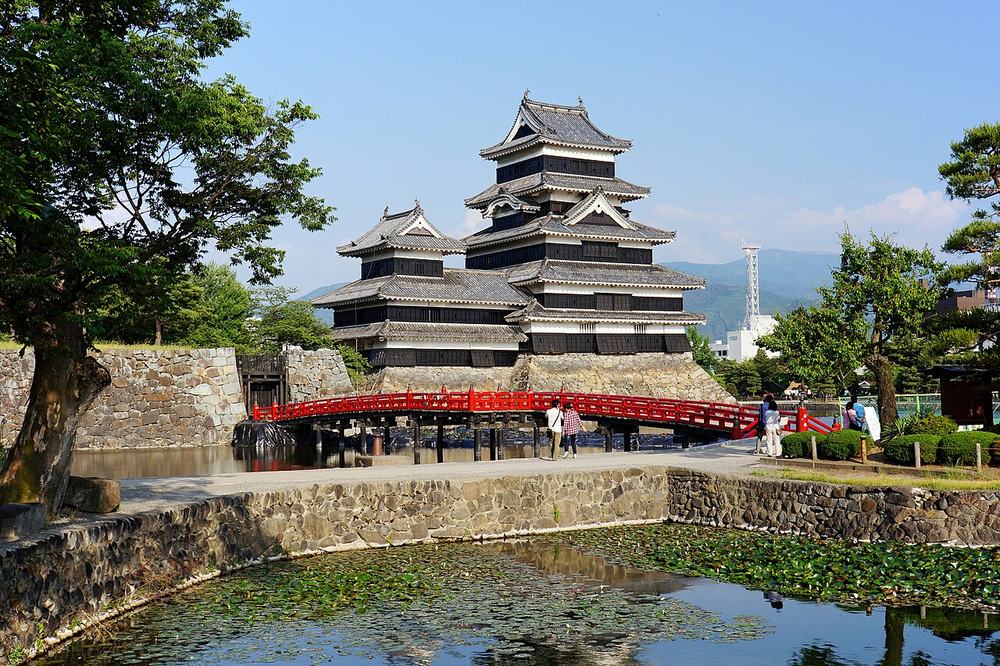
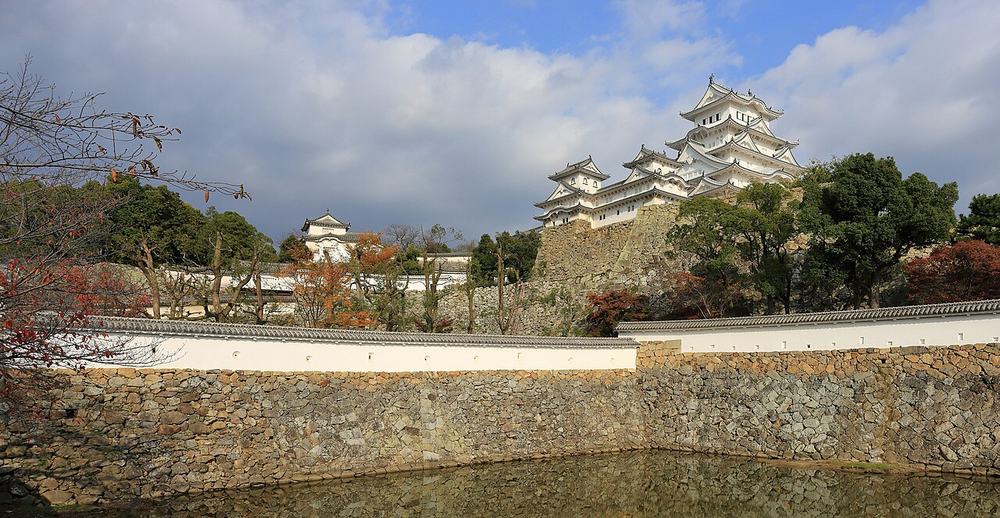
Feudal Japan is the conventional name for the roughly seven centuries, from 1185 to 1868, when Japan was governed by warrior regimes headed by shoguns while emperors in Kyoto reigned as sacred but largely symbolic figures. It was a society built on land and loyalty: lords held land, warriors served lords, and peasants farmed the land that fed them all. Understanding how that system worked — and why it lasted so long — is the key to Japanese history before 1868.
In short
Feudal Japan ran from 1185, when Minamoto no Yoritomo set up the first military government, to 1868, when the Meiji Restoration ended the last shogunate. Power flowed from the emperor, who gave legitimacy, to the shogun, who held the armies, to about 260 to 300 regional lords called daimyo, who ruled their domains with the help of samurai retainers. Society was divided into fixed classes — samurai, peasants, artisans and merchants — and the whole economy was measured in rice.
How the system worked
The roots of warrior rule lay in the late Heian period. As the court in Kyoto lost direct control of the provinces, much land passed into private estates called shoen, and provincial families armed themselves to protect and expand their holdings. In the Genpei War of 1180 to 1185, the Minamoto clan defeated the rival Taira. The victor, Minamoto no Yoritomo, set up a military government at Kamakura, far from the capital, and in 1192 the emperor named him shogun, or supreme military commander.
No shogun ever abolished the throne. Instead, military rulers drew their legitimacy from imperial appointment, and the emperor was revered as a descendant of the sun goddess Amaterasu. That arrangement — a sacred emperor who reigned and a shogun who ruled — lasted, with interruptions, for nearly seven hundred years, through three shogunates: Kamakura (1185 to 1333), Ashikaga (1338 to 1573), and Tokugawa (1603 to 1868).
Historians argue about the word feudal itself. It is a European term, borrowed to describe Japan because the two systems look alike: lords, vassals, land in return for service. The comparison is useful, but it is not exact — Japan had no equivalent of European serfdom, and its lords were far more independent of the centre than most European barons. This guide uses feudal in the conventional sense, as a shorthand for warrior rule, not as a claim that Japan was a copy of medieval Europe.
Land, rice and loyalty
The currency of feudal Japan was rice. A domain's wealth was measured in koku, a unit of rice: one koku was roughly the amount needed to feed one person for a year. A great lord might hold a domain rated at a million koku; a small one, ten thousand. Samurai were paid in rice, taxes were paid in rice, and a lord's standing was counted in koku.
The bond between lord and retainer was personal. A samurai served his lord, and the lord in return granted him land or a rice stipend, and protection. When the lord died, his retainers were expected to follow his heir — and in the early centuries, some followed him in death. Over time, loyalty became less a matter of life and death and more a matter of duty, discipline and honour, the values later gathered under the name bushido.
Below the samurai stood the peasants, who farmed the land and paid the taxes that fed everyone else; then artisans; then merchants, ranked last on the reasoning that they produced nothing, only moved goods about. In practice merchants grew rich, especially in the peaceful Edo period, while many samurai grew poor — one of the quiet contradictions that eventually pulled the system apart.
Why it lasted, and why it ended
Feudal Japan lasted so long because it was flexible. When the Kamakura shogunate fell in 1333, the Ashikaga replaced it. When the Ashikaga collapsed into civil war, the three unifiers — Nobunaga, Hideyoshi and Ieyasu — rebuilt central power on new foundations. The Tokugawa shogunate, ruling from Edo, then held the country together for more than 250 years by balancing the daimyo against each other: lords were required to spend alternate years in Edo, leaving their families there as hostages, a system called sankin-kotai.
The system also produced a remarkable culture. The Muromachi era saw a flowering shaped by Zen Buddhism: ink painting, rock gardens, the tea ceremony and Noh theatre. Trade with Ming China brought wealth and ideas. Castle towns grew into cities. Literacy spread, and by the Edo period Japan was one of the most literate societies in the world.
What ended feudal Japan was not invasion but a shock from outside. When Commodore Perry's ships arrived in 1853 and the Western powers demanded trade, the shogunate could neither resist nor adapt fast enough. The samurai who overthrew it in 1868 abolished the domains, the classes and the swords within a decade. The emperor remained, as he had throughout — sacred, symbolic, and now, for the first time in centuries, at the centre of a modern state.
Key dates
| Date | Event |
|---|---|
| 1185 | Minamoto no Yoritomo sets up a military government at Kamakura |
| 1192 | Yoritomo is named the first shogun |
| 1274 and 1281 | Mongol invasions are repelled |
| 1333 | Kamakura shogunate falls; Ashikaga shogunate follows in 1338 |
| 1467-1600 | Sengoku (Warring States) period: a century of civil war |
| 1590 | Toyotomi Hideyoshi completes the unification of Japan |
| 1600 | Battle of Sekigahara; Tokugawa Ieyasu takes control |
| 1603-1868 | Tokugawa shogunate rules from Edo |
| 1635 | Sankin-kotai (alternate attendance) is formalised |
| 1853 | Commodore Perry arrives; the closed country is forced open |
| 1868 | Meiji Restoration ends feudal rule |
| 1871 | Domains abolished; the feudal order is dismantled |
Sources: Historian, "Feudal Japan: History, Facts and Stories"; World History Encyclopedia, "Medieval Japan"; Britannica, "Sengoku period"; Wikipedia, "Edo period". Checked 28 November 2026.