The Rise and Fall of the Samurai
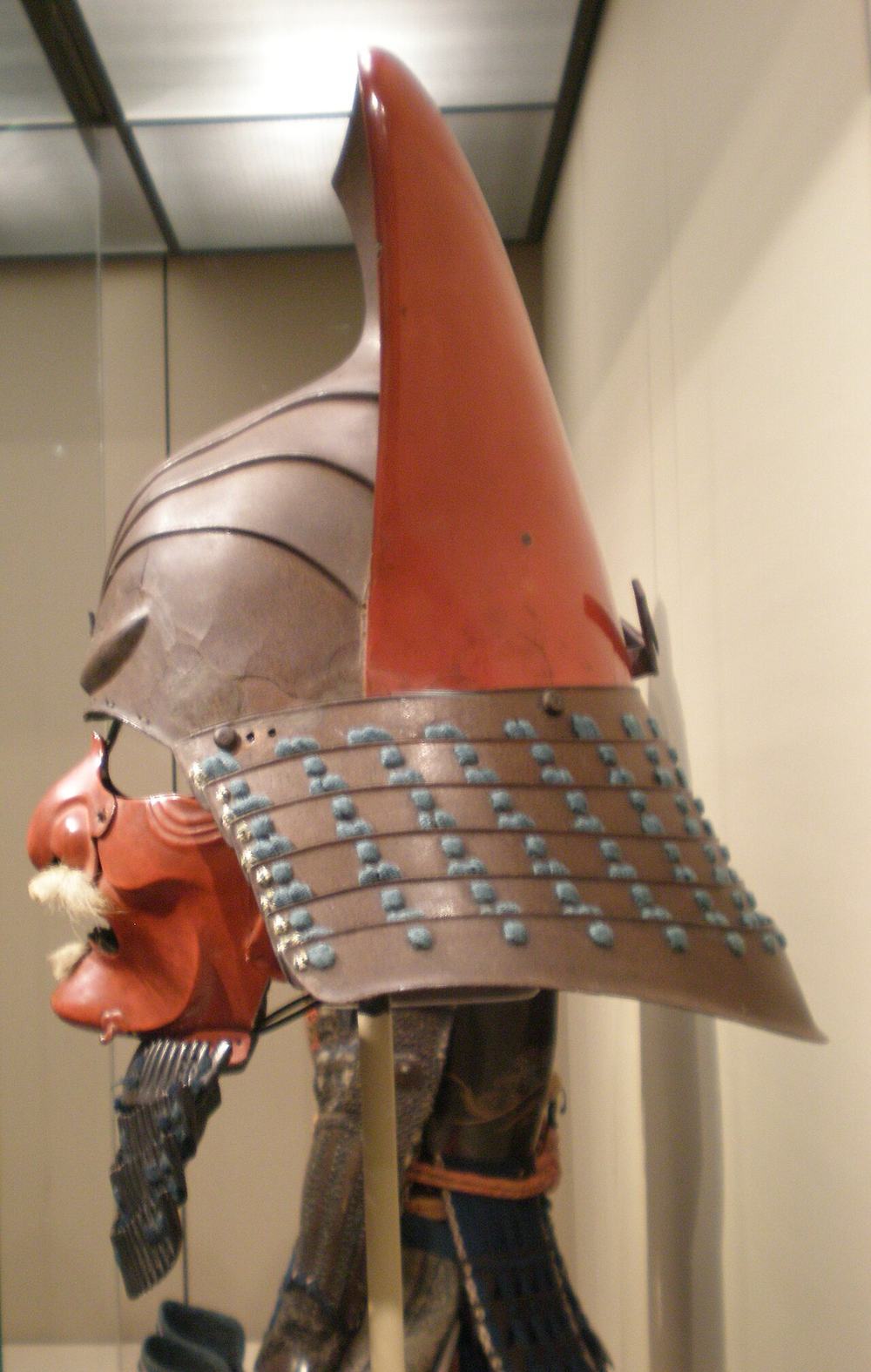
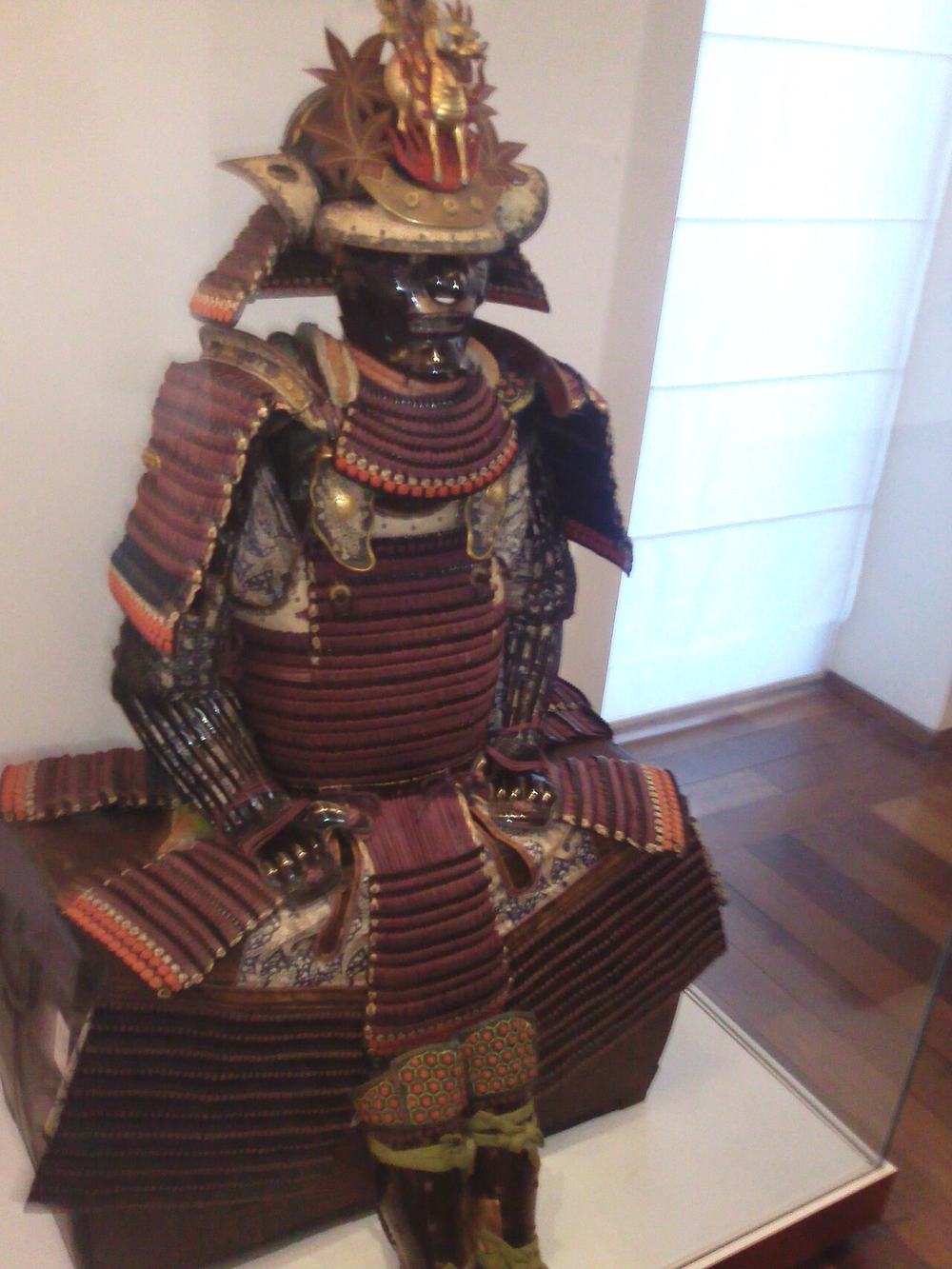
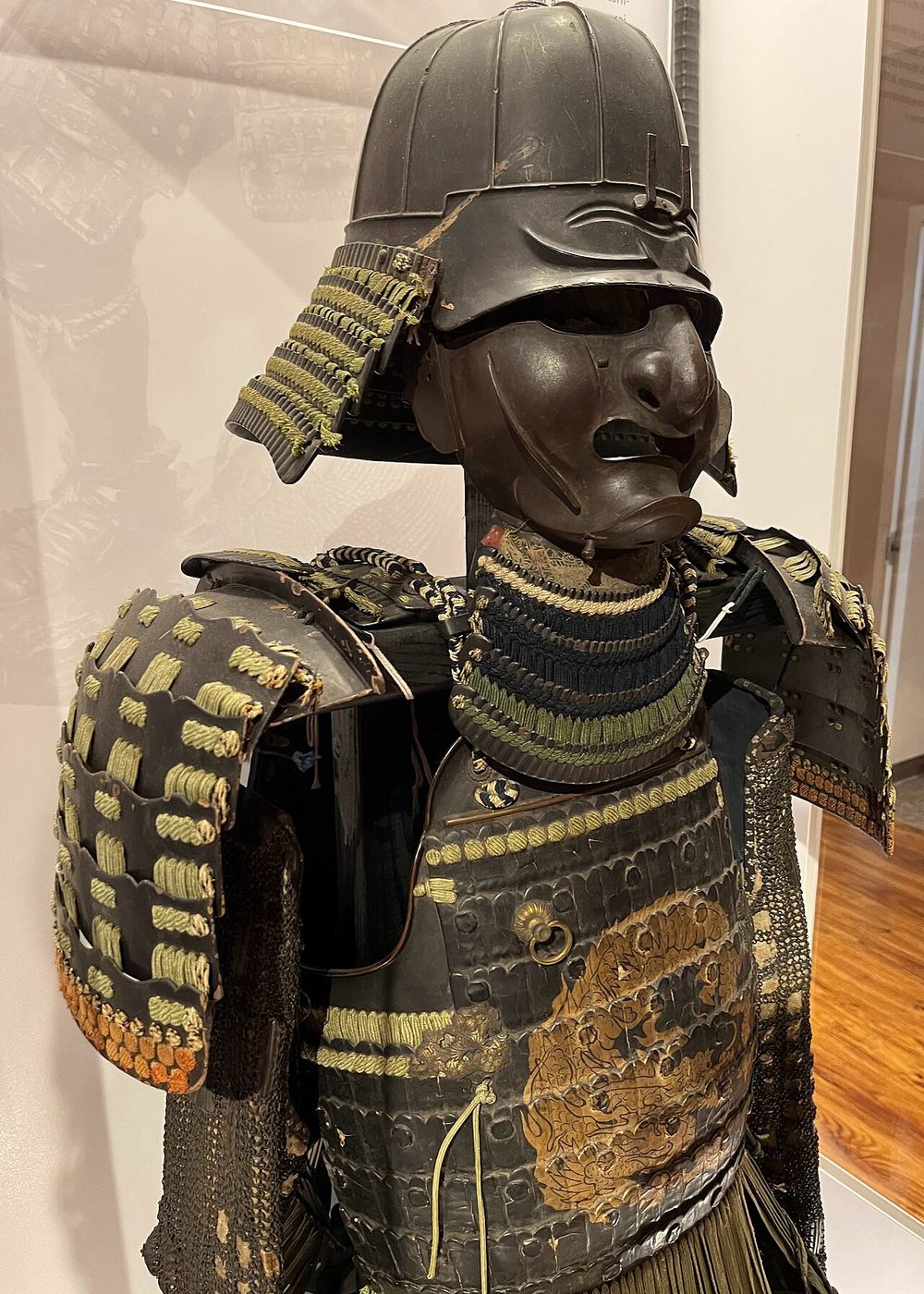
For nearly seven hundred years, Japan was ruled by warriors. The samurai began as mounted archers guarding provincial estates, rose to become the country's rulers under the shoguns, fought a century of civil war, and then spent two and a half centuries of peace as sword-carrying bureaucrats — before being abolished, almost overnight, by the government they had created. Their story is the spine of Japanese history.
In short
Samurai were the professional warrior class of pre-modern Japan. They took power in 1185, when Minamoto no Yoritomo defeated the Taira clan and set up a military government at Kamakura; he was named shogun in 1192. For the next 676 years, until the Meiji Restoration of 1868, Japan was ruled by shoguns while emperors reigned as figureheads. The samurai as a class were abolished in the 1870s, and the wearing of their swords was banned in 1876.
From guards to rulers
The samurai were born in the provinces of Heian Japan, in the centuries after the imperial court founded its capital at Heian-kyo, modern Kyoto, in 794. As the court, dominated by the Fujiwara family of regents, lost direct control of the provinces, much land passed into private estates, and provincial families armed themselves to protect and expand their holdings. Their fighting men, the samurai, served lords in return for land rights and rewards.
In the Genpei War of 1180 to 1185 the Minamoto clan defeated the rival Taira. The victor, Minamoto no Yoritomo, set up a military government at Kamakura, far from the capital, and in 1192 the emperor named him shogun, supreme military commander. The emperor kept his religious prestige and ceremonies but became a symbolic figure. For the first time, warriors ran Japan, and they would do so until 1868.
The Kamakura shogunate's greatest test came from overseas: the Mongol ruler Kublai Khan sent invasion fleets in 1274 and 1281. Both were scattered, the second by a great typhoon that the Japanese later called kamikaze, the divine wind. The invasions were defeated, but the cost of keeping an army ready for a third attack strained the shogunate, and unpaid samurai drifted away from it. Kamakura fell in 1333, and the weaker Ashikaga shogunate (1338 to 1573) never fully controlled the regional lords.
A century of war
In 1467 a succession dispute exploded into the Onin War, which lasted a decade, devastated Kyoto, and began more than a century of civil war known as the Sengoku, or Warring States, period, lasting roughly from 1467 to 1600. Old families were overthrown by their own vassals, and new lords built castles, wrote house laws and fielded armies of foot soldiers as well as mounted samurai.
The fighting changed when Portuguese traders brought firearms to Japan in 1543. At the Battle of Nagashino in 1575, Oda Nobunaga used massed musket fire to destroy a famous cavalry charge. Nobunaga seized Kyoto in 1568 and ended the Ashikaga shogunate in 1573. His successor Toyotomi Hideyoshi completed the unification of Japan by 1590. Then Tokugawa Ieyasu defeated his rivals at the Battle of Sekigahara in 1600, became shogun in 1603, and destroyed the last Toyotomi stronghold at Osaka in 1615.
Three men — Nobunaga, Hideyoshi and Ieyasu — are remembered in Japan as the three great unifiers. Between them they ended a century of war and built the state that would govern Japan for the next two and a half centuries.
Warriors without wars
The Tokugawa shogunate, ruling from Edo, the city now called Tokyo, brought more than 250 years without major war. With no wars to fight, samurai became salaried administrators and scholars, many of them trained in Confucian thought. They kept the exclusive right to carry two swords, and their status at the top of a fixed social order, but their daily work was paperwork: tax records, policing, and the running of castle towns.
That peace slowly dissolved the class from within. Many samurai were poor, paid in fixed amounts of rice while prices rose, and some took on debts to merchants — the very class ranked below them. Others became teachers, doctors and writers. By the nineteenth century, the fiercest critics of the shogunate were often lower-ranking samurai themselves.
The end came fast. The Meiji government abolished the domains in 1871, ended the samurai's privileges, banned the public wearing of swords in 1876, and defeated the last samurai revolt, the Satsuma Rebellion, in 1877. The warriors who had ruled Japan for nearly seven centuries became ordinary citizens, taking jobs in business, the professions and the new conscript army.
What remains of the samurai
The popular image of the samurai — a lone swordsman living by a code called bushido, the way of the warrior — is largely a later invention. The word bushido only became common in the late nineteenth and early twentieth centuries, when writers, above all Nitobe Inazo in his book Bushido: The Soul of Japan (1900), packaged samurai ideals for a modern audience, at home and abroad. Real samurai were often pragmatic, political, and sometimes disloyal; the code was written about them more than by them.
What is real is their legacy: the castles they built, the cities that grew around them, the martial arts that survive as sport, and a place in the world's imagination that no other warrior class holds. The samurai ended as a class in 1876. As an idea, they never left.
Key dates
| Date | Event |
|---|---|
| 794 | Imperial capital founded at Heian-kyo (Kyoto) |
| 1180-1185 | Genpei War; Minamoto defeat the Taira at Dan-no-ura (1185) |
| 1192 | Minamoto no Yoritomo is named the first shogun |
| 1274 and 1281 | Mongol invasions are repelled; the second fleet is scattered by a typhoon |
| 1333 | Kamakura shogunate falls; Ashikaga shogunate follows (1338-1573) |
| 1467-1477 | Onin War begins the Sengoku (Warring States) period |
| 1543 | Portuguese traders bring firearms to Japan |
| 1575 | Massed musket fire wins the Battle of Nagashino for Oda Nobunaga |
| 1600 | Tokugawa Ieyasu wins the Battle of Sekigahara |
| 1603 | Ieyasu becomes shogun; the Edo period begins |
| 1876 | Samurai are banned from wearing swords in public |
| 1877 | Satsuma Rebellion, the last samurai revolt, is defeated |
Sources: Britannica, "Sengoku period"; World History Encyclopedia, "Medieval Japan"; Historian, "Feudal Japan: History, Facts and Stories"; Oria, "The Japan of the Samurai: Summary and Study Notes". Checked 28 November 2026.