Pearl Harbor and World War II
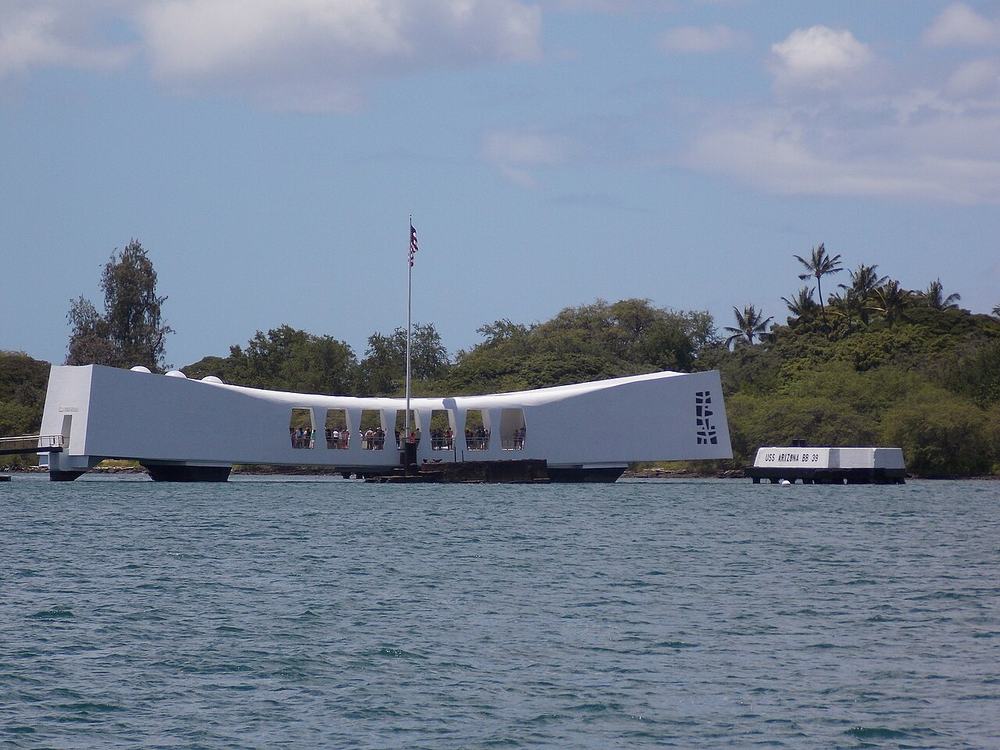
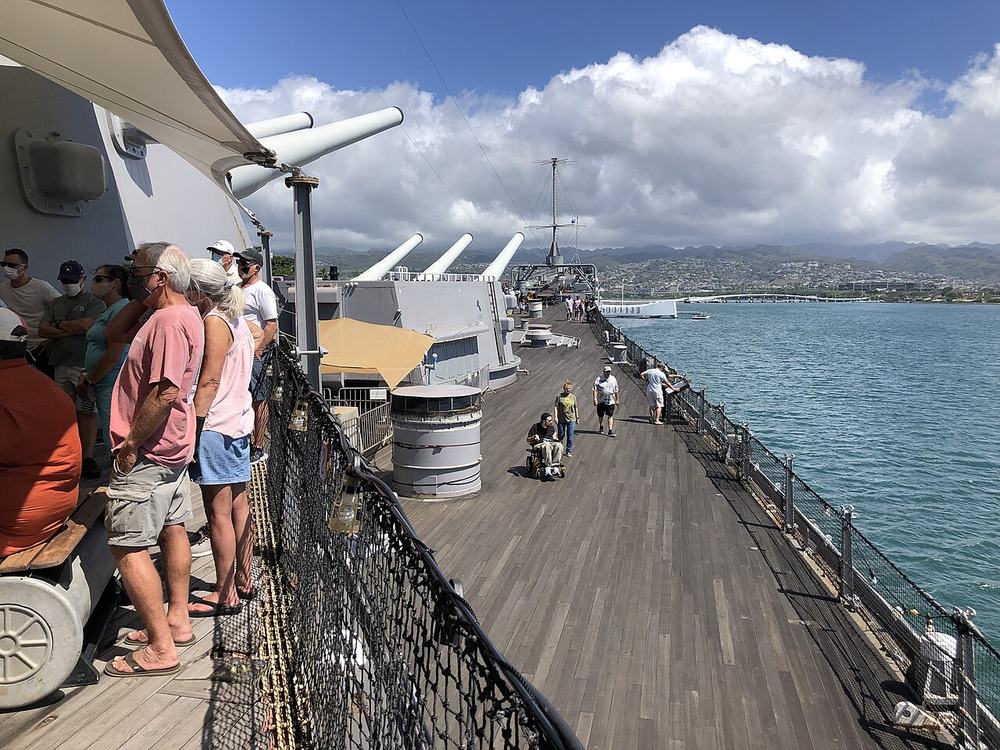
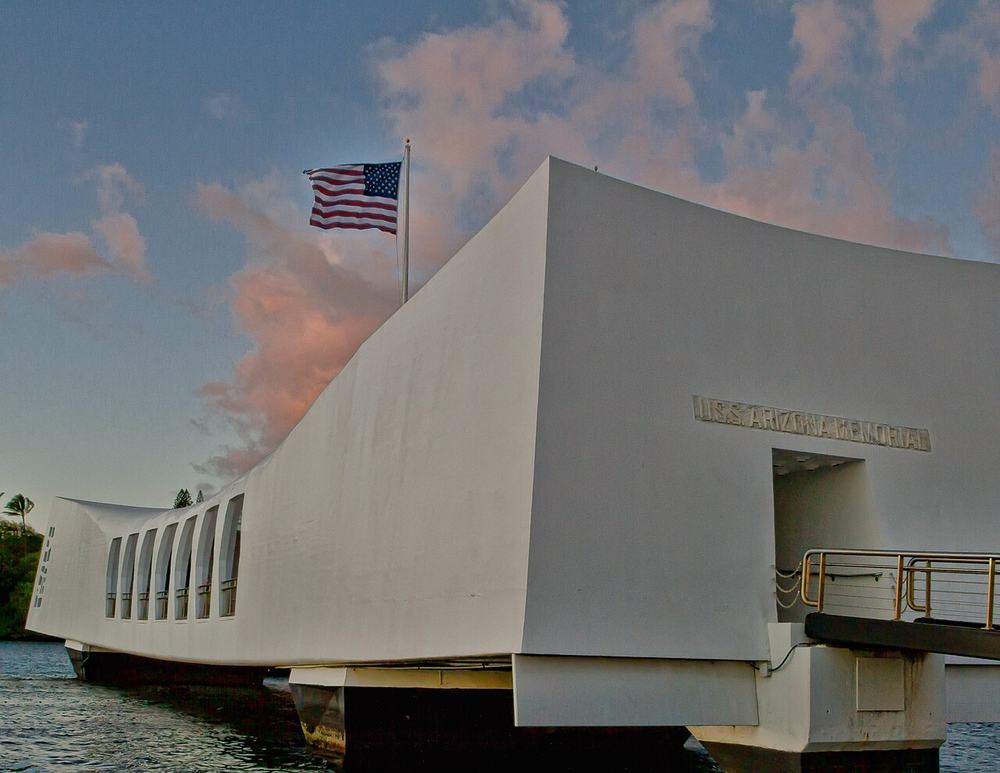
Just before 8 a.m. on Sunday 7 December 1941, Japanese aircraft appeared over Pearl Harbor in Hawaii, where the United States Pacific Fleet lay at anchor. Within two hours, the attack had killed 2,403 Americans, sunk or damaged much of the fleet's battleship strength, and brought the United States into the Second World War. Japan's leaders had gambled that a single blow would force America to negotiate. The gamble failed, and the war that followed ended with Japan defeated, occupied, and changed for ever.
In short
Japan attacked the American naval base at Pearl Harbor, Hawaii, on 7 December 1941, killing 2,403 Americans. The United States declared war the next day, and within four days Germany and Italy had also declared war on the United States, making the war global. Japan won sweeping victories in the first six months, then lost the initiative at the Battle of Midway in June 1942 and was pushed back across the Pacific over the next three years. After the atomic bombings of Hiroshima and Nagasaki in August 1945, Japan announced its surrender on 15 August, and the formal surrender was signed aboard the USS Missouri in Tokyo Bay on 2 September 1945.
Why Japan attacked
Japan had been at war in China since 1937, and its armies there needed oil, steel and other raw materials that Japan itself did not produce. In 1941 the United States, Britain and the Netherlands imposed embargoes that cut off most of Japan's oil. Japan's military leaders faced a choice: give up the war in China, or seize the oilfields of South-East Asia and accept war with the United States and Britain.
They chose the second course, and they chose to strike first. Admiral Isoroku Yamamoto, who had studied in America and knew its industrial power, planned a surprise attack on the Pacific Fleet at Pearl Harbor, to buy Japan time to conquer South-East Asia and build a defensive perimeter before America could recover. The attack was a tactical success and a strategic mistake: it missed the American aircraft carriers, which were at sea, and it united American opinion behind a war that Japan could not win.
The attack began just before 8 a.m. Hawaii time, with more than 300 aircraft launched from six carriers. Bombs, torpedoes and gunfire sank or damaged eight battleships, destroyed 188 aircraft, and killed 2,403 Americans. President Franklin Roosevelt called 7 December a date which will live in infamy, and the next day Congress declared war. Japan had expected America to negotiate; instead, America set out to defeat Japan completely.
The turning of the tide
For six months Japan advanced almost unchecked, taking Hong Kong, Singapore, the Philippines and the Dutch East Indies, and reaching the borders of India and Australia. Then, in June 1942, at the Battle of Midway, American aircraft sank four Japanese aircraft carriers, the core of the fleet that had attacked Pearl Harbor. Japan never replaced those carriers or the trained pilots lost with them.
From Midway onwards the war was a slow Allied advance across the Pacific: Guadalcanal in 1942 to 1943, the island-hopping campaigns of 1943 and 1944, and the great naval battles of the Philippine Sea and Leyte Gulf in 1944, which destroyed what remained of the Japanese navy as a fighting force. Japan's cities were bombed from the air, its shipping was sunk by submarines, and by 1945 its people were short of food and fuel.
The fighting grew more desperate as the Allies approached Japan itself. At Iwo Jima and Okinawa in 1945, Japanese forces fought almost to the last man, and American planners, looking ahead to an invasion of the home islands, expected terrible casualties on both sides. More than two million Japanese soldiers and civilians are estimated to have died in the war, and the figure is uncertain: records were destroyed, and the counts were made in chaos.
How the war ended
The war ended in August 1945. On 6 August the United States dropped an atomic bomb on Hiroshima, and on 9 August a second bomb fell on Nagasaki — the subject of the next guide. On 8 August the Soviet Union declared war on Japan and attacked Japanese forces in Manchuria. On 15 August Emperor Hirohito announced Japan's surrender in a recorded radio address, the first time most Japanese people had heard his voice.
The formal surrender was signed aboard the USS Missouri in Tokyo Bay on 2 September 1945, with General Douglas MacArthur accepting it on behalf of the Allies. Japan was then occupied by Allied forces until 1952, when the Treaty of San Francisco restored its sovereignty. Under occupation, Japan received a new, pacifist constitution, its armed forces were disbanded, and its empire was dismantled.
Pearl Harbor is remembered in America as a day of infamy and in Japan as the beginning of a war that ended in catastrophe. Both memories are true. The attack achieved complete surprise and weakened the American fleet for a few months; it also guaranteed the full mobilisation of the greatest industrial power on earth against Japan, and that decided the war.
Key dates
| Date | Event |
|---|---|
| July 1937 | Japan's war in China begins |
| 1941 | American, British and Dutch embargoes cut off Japan's oil |
| 7 December 1941 | Japan attacks Pearl Harbor; 2,403 Americans are killed |
| 8 December 1941 | The United States declares war on Japan |
| June 1942 | Battle of Midway: Japan loses four aircraft carriers |
| 1942-1943 | Guadalcanal: the first major Allied land victory in the Pacific |
| 1944 | Battles of the Philippine Sea and Leyte Gulf destroy the Japanese navy |
| 1945 | Iwo Jima and Okinawa are fought; Japan's cities are bombed |
| 6 and 9 August 1945 | Atomic bombs fall on Hiroshima and Nagasaki |
| 15 August 1945 | Emperor Hirohito announces Japan's surrender |
| 2 September 1945 | Formal surrender is signed aboard the USS Missouri |
| 1952 | Treaty of San Francisco ends the Allied occupation |
Sources: US National Archives, "The Day of Infamy"; Britannica, "Empire of Japan: WWII, Surrender, Occupation"; Wikipedia, "Atomic bombings of Hiroshima and Nagasaki". Checked 28 November 2026.