The Edo Period
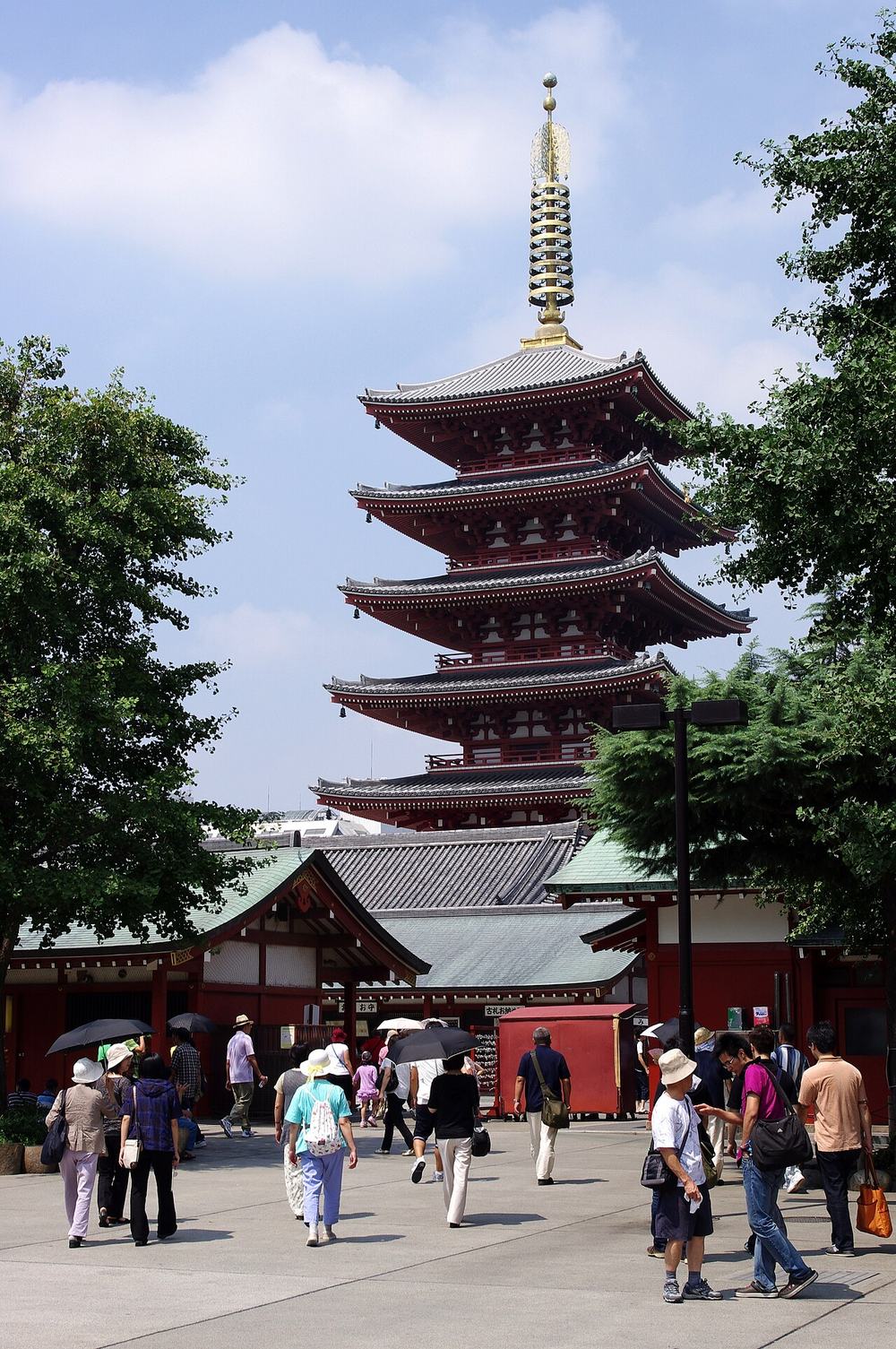
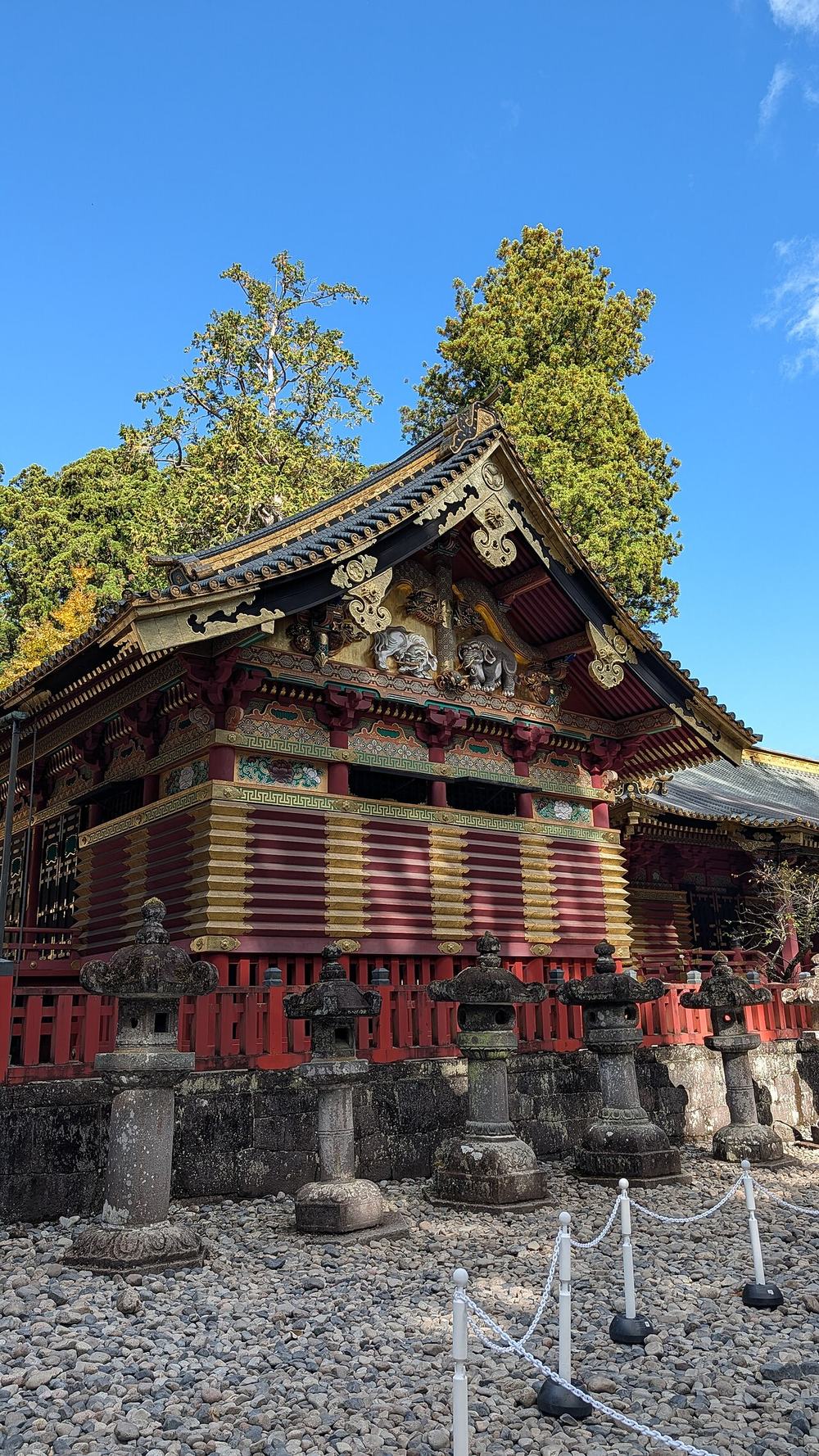
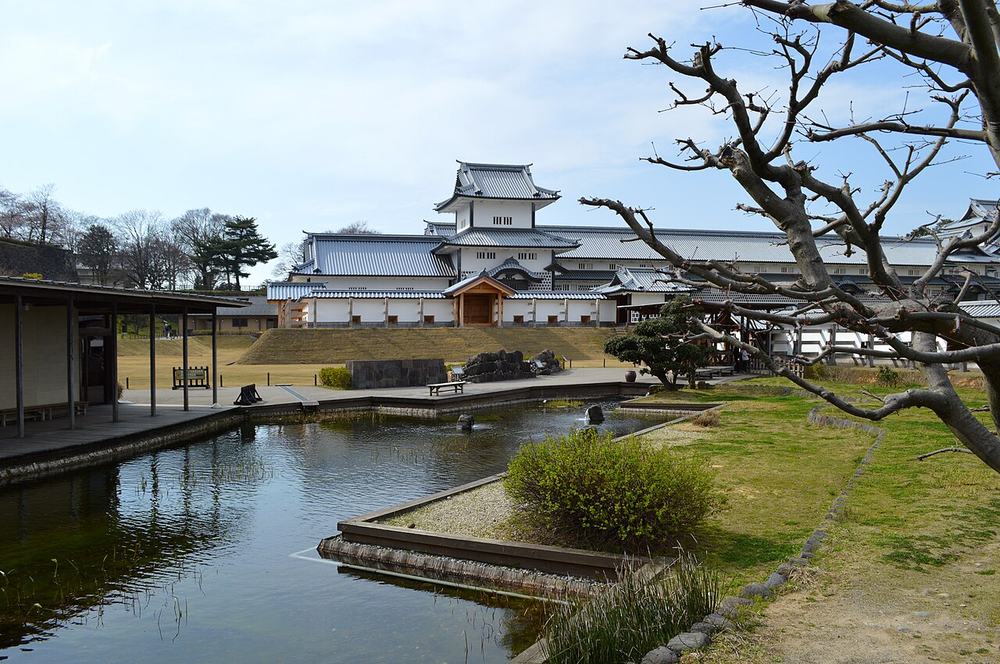
For two and a half centuries, Japan was at peace with itself and closed to almost the whole world. The Edo period, from 1603 to 1868, was ruled by the Tokugawa shoguns from their castle city of Edo, the city we now call Tokyo. It was an age of strict order and surprising creativity: while the government banned foreign books and forbade Japanese from leaving the country, its cities produced kabuki theatre, woodblock prints, sushi, and some of the most literate townspeople on earth.
In short
The Edo period ran from 1603, when Tokugawa Ieyasu was appointed shogun, to 1868, when the last Tokugawa shogun returned power to the emperor. It is also called the Tokugawa period. Its marks were long peace, the sankin-kotai system that kept the lords under control, the sakoku policy that closed Japan to most foreign contact from the 1630s, a rigid four-class social order, and a flourishing urban culture.
How the Tokugawa took power
The decisive event happened three years before the period is dated from. At Sekigahara on 21 October 1600, Tokugawa Ieyasu's eastern army defeated a western coalition in a single day, in a battle involving perhaps 160,000 men and decided partly by a commander switching sides mid-fight. Ieyasu spent the next three years consolidating, took the title of shogun in 1603, and then did something unusual: he resigned two years later in favour of his son, while continuing to rule from behind the scenes.
The shogun governed through a structure designed to make rebellion impossible. Sankin-kotai, alternate attendance, required every regional lord to spend alternating years in Edo and to leave his wife and heir there permanently as hostages. The lords' long processions to and from the capital, with hundreds of retainers, kept them poor and kept the roads busy. The class system fixed everyone in place: samurai at the top, then farmers, then artisans, then merchants at the bottom, on the reasoning that merchants produced nothing.
The Tokugawa shogunate was the last feudal Japanese military government, and it would supply fifteen shoguns from the same family. Its capital, Edo, grew from a castle town into one of the largest cities in the world: by the eighteenth century its population is commonly put above a million, fed by rice shipped in from the provinces and watered by an elaborate system of canals.
The closed country
From the 1630s a series of edicts sealed Japan off. Japanese subjects were forbidden to leave, returnees faced execution, most foreigners were expelled, and Christianity was suppressed with considerable violence after the Shimabara rebellion of 1637. By 1639, under the policy of sakoku, all foreigners were expelled, with the exception of Dutch traders on the small artificial island of Dejima in Nagasaki harbour.
The closure was never total. Four gateways stayed open: the Dutch at Dejima, Chinese traders also at Nagasaki, Korea through the island of Tsushima, and the Ainu peoples through Matsumae in the north. Through Dejima, a trickle of Western books, medicines and scientific instruments reached Japanese scholars, who studied them in a field called Dutch learning. But for more than two centuries, Japan chose isolation, and the choice held.
Sakoku was not only about foreigners. It was about control. The shogunate feared that foreign trade would enrich rival lords, and that Christianity would give ordinary people a loyalty beyond the shogun. The edicts worked, on their own terms: Japan had no foreign war and no successful rebellion for 250 years.
Peace and its culture
Peace changed Japan more than war had. With no battles to fight, samurai became officials. Merchants, officially the lowest class, became rich, and their money paid for the pleasures of the city: kabuki theatre, which began in 1603, the year the period began; sumo wrestling as a professional sport; and ukiyo-e, the woodblock prints of actors, courtesans and landscapes that would later astonish Europe. Sushi, in its modern form of fresh fish on vinegared rice, was Edo street food, sold from stalls to busy townspeople.
Edo's people were also readers. Lending libraries, cheap printed books and woodblock prints carried stories, travel guides and gossip to a mass audience. By the end of the period, literacy in the cities was high by world standards, and that literate, numerate population would prove crucial when Japan had to modernise in a hurry after 1868.
The period ended as it had begun, with ships. In 1853 Commodore Perry's American warships forced Japan to open to Western trade, beginning the Bakumatsu, the last years of the shogunate. The fifteenth shogun resigned in 1867, and after the short Boshin War the emperor was restored in 1868. Edo was renamed Tokyo, and the closed country was over.
Key dates
| Date | Event |
|---|---|
| 21 October 1600 | Battle of Sekigahara: Tokugawa Ieyasu defeats his rivals |
| 1603 | Ieyasu is appointed shogun; the Edo period begins |
| 1615 | Siege of Osaka destroys the last Toyotomi stronghold |
| 1635 | Sankin-kotai (alternate attendance) is formalised |
| 1639 | Sakoku completed: the Portuguese are expelled; only the Dutch remain, at Dejima |
| 18th century | Edo grows to more than a million people, among the largest cities in the world |
| 1853 | Commodore Perry arrives and forces Japan to open to trade |
| 1867 | The last shogun, Tokugawa Yoshinobu, resigns |
| 1868 | Meiji Restoration ends the Edo period |
Sources: Wikipedia, "Edo period"; Pressbooks, "From the Edo Period to Meiji Restoration in Japan"; Trip to Japan, "Edo Period Japan: History, Culture and Timeline". Checked 28 November 2026.