Tokyo
Tokyo is the capital of Japan, the seat of the emperor, the National Diet and the Supreme Court, and one of the largest urban areas on earth. But it is not, legally, a city at all. Tokyo Metropolis is a prefecture of 23 special wards, 26 cities, towns and villages, with about 14 million people — and the wider urban area around it, at about 37 million, is the most populous in the world. Its history runs from a fishing village called Edo, through three centuries as the shogun's capital, to earthquake, firebombing, Olympics and rebirth.
In short
Tokyo began as Edo, the castle town where Tokugawa Ieyasu settled in 1590 and from which his shogunate ruled from 1603. By the eighteenth century it was among the largest cities in the world, with a population commonly put above a million. When the shogunate fell, the Meiji Emperor moved from Kyoto in 1868 and the city was renamed Tokyo, eastern capital. On 1 July 1943 Tokyo City and Tokyo Prefecture were merged into Tokyo Metropolis, a wartime measure that was never reversed. The metropolis has about 14 million people; the wider Greater Tokyo Area has about 37 million, by the United Nations' estimate.
From Edo to Tokyo
Edo began as a small fishing village, first fortified in the late twelfth century. Its rise began when Tokugawa Ieyasu took the castle there in 1590 and made it the seat of his shogunate in 1603. The shoguns' system of alternate attendance forced the regional lords to keep grand houses in Edo and to travel there with hundreds of retainers, and the city grew around them: merchants, craftsmen, theatres, restaurants and temples, all serving a castle town that never stopped expanding.
By the eighteenth century Edo was one of the largest cities in the world, its population commonly put above a million in Japanese sources. It was also a city of wood and paper, and it burned often; great fires swept through it regularly, and its people rebuilt in the same crowded lanes. The city that the shoguns built is still there, under the modern one: the Imperial Palace stands on the site of Edo Castle, and the old merchant districts of Nihonbashi and Asakusa keep their Edo street plans.
When the shogunate fell in 1868, the emperor moved to Edo Castle, the city was renamed Tokyo on 3 September 1868, and government ministries followed by 1871. Kyoto remained the old capital in memory and in ceremony, but Tokyo was the capital in fact, and it has been ever since.
Disaster and rebuilding
Tokyo has been destroyed twice in the twentieth century, and rebuilt twice. On 1 September 1923 the Great Kanto Earthquake struck at lunchtime, when cooking fires were lit across the city, and the fires that followed killed more than 100,000 people. The city was rebuilt in concrete, with wider streets and modern buildings, only to be destroyed again in the Second World War: the firebombing of 10 March 1945 killed about 100,000 people in a single night, and much of the city burned.
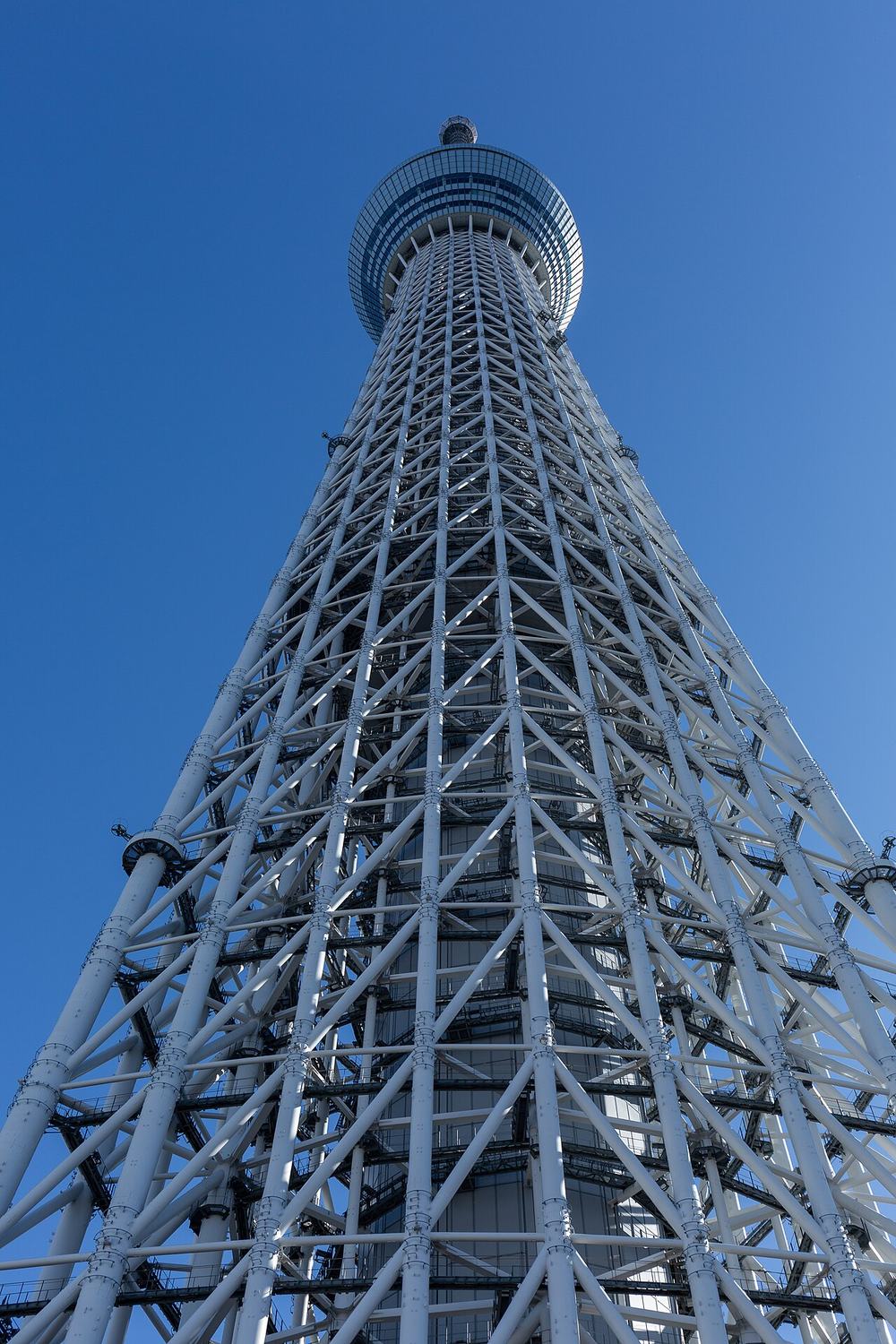
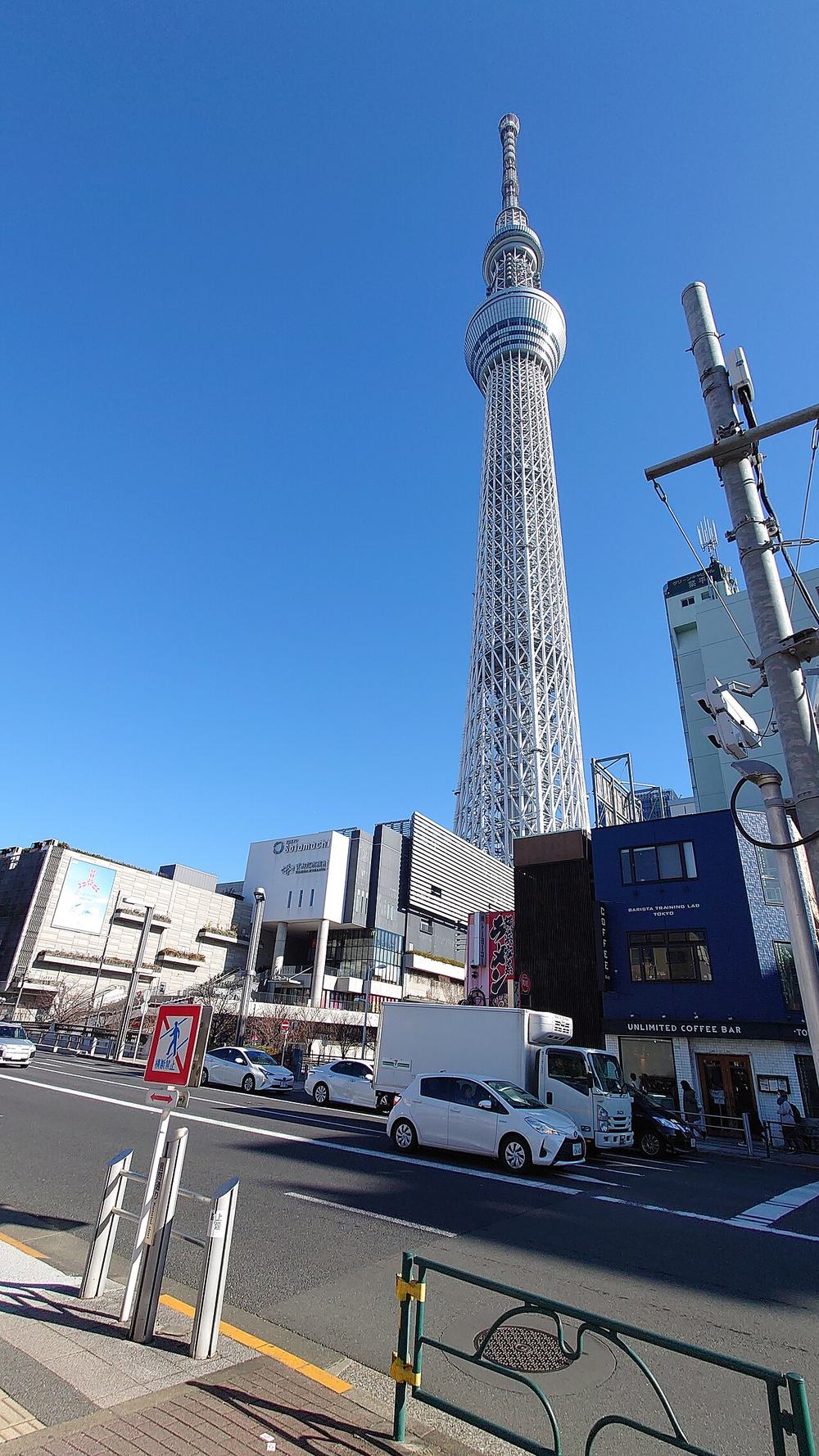
The post-war rebuilding was fast, and it was crowned by the Tokyo Olympics of 1964, the first Games held in Asia, which announced to the world that the ruin was over. The Shinkansen opened nine days before the Games, expressways were built, and the city acquired the skyline it has today: the Tokyo Tower, completed in 1958, and the Tokyo Skytree, completed in 2012, at 634 metres the tallest tower in the world.
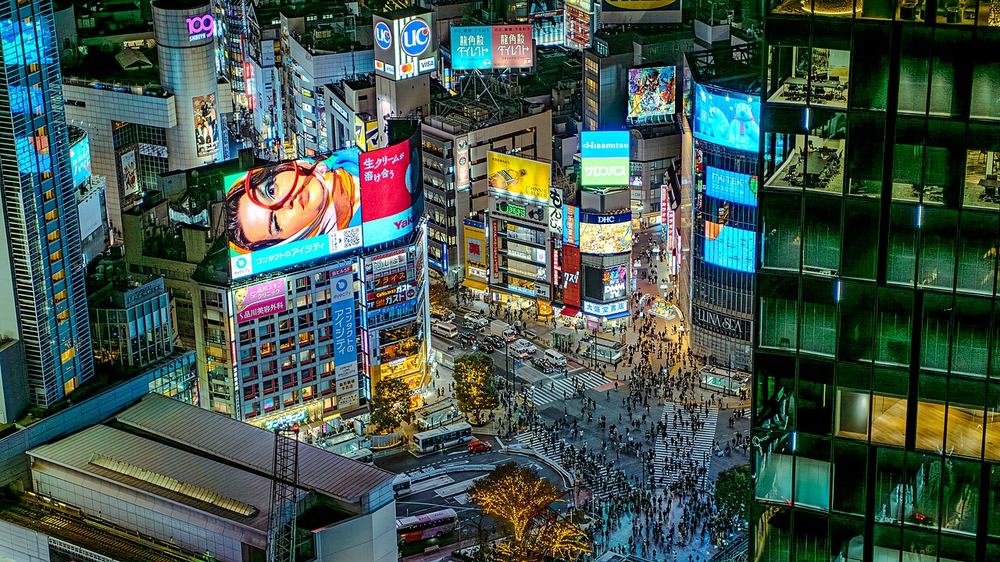
Tokyo today is a city of districts, each with its own character: Marunouchi and Otemachi for finance and government, Ginza for shopping, Shibuya and Shinjuku for crowds and neon, Asakusa for temples and the old city, Akihabara for electronics. The 23 special wards each elect their own mayor and assembly, and the metropolis is headed by a directly elected governor.
The largest city on earth
Counting Tokyo depends on what you mean by Tokyo. Tokyo Metropolis, the prefecture, has about 14 million people. Its core, the 23 special wards, has about 9 million. The wider Greater Tokyo Area, which takes in neighbouring prefectures, has about 37 million people by the United Nations' estimate — some counts, using a wider definition, put it above 40 million. By any count, it is the most populous metropolitan area in the world, and its economy, at about 2 trillion dollars, is among the largest of any city on earth.
That size brings problems the city is still solving: some of the most crowded trains in the world, some of the most expensive land, and a population that is ageing fast. It also brings an intensity that visitors remember: a city where a shrine can stand beside a skyscraper, where the busiest pedestrian crossing in the world is a few minutes' walk from a quiet garden, and where a village that became a castle town became a capital, and then became the largest city on earth.
Key dates
| Date | Event |
|---|---|
| 1590 | Tokugawa Ieyasu takes Edo Castle |
| 1603 | Edo becomes the seat of the Tokugawa shogunate |
| 18th century | Edo grows to more than a million people |
| 3 September 1868 | Edo is renamed Tokyo, the eastern capital |
| 1 September 1923 | Great Kanto Earthquake kills more than 100,000 people |
| 10 March 1945 | Firebombing destroys much of the city; about 100,000 people are killed |
| 1 July 1943 | Tokyo City and Tokyo Prefecture merge into Tokyo Metropolis |
| 1958 | Tokyo Tower is completed |
| 10 October 1964 | Tokyo Olympics open, the first Games in Asia |
| 2012 | Tokyo Skytree is completed, at 634 metres |
| Today | About 14 million people in Tokyo Metropolis; about 37 million in the wider area |
Sources: Wikipedia, "Tokyo"; Nutanica, "Tokyo"; Rawy, "Tokyo: from Edo castle town to Japan's capital metropolis". Checked 28 November 2026.