The Post-War Economic Miracle
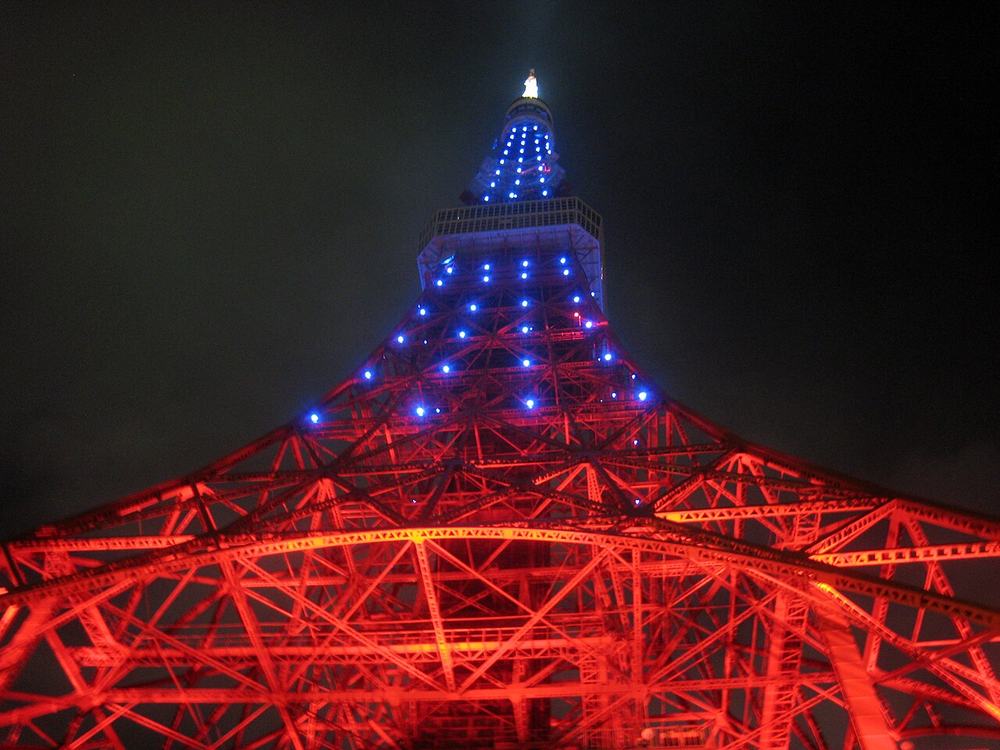
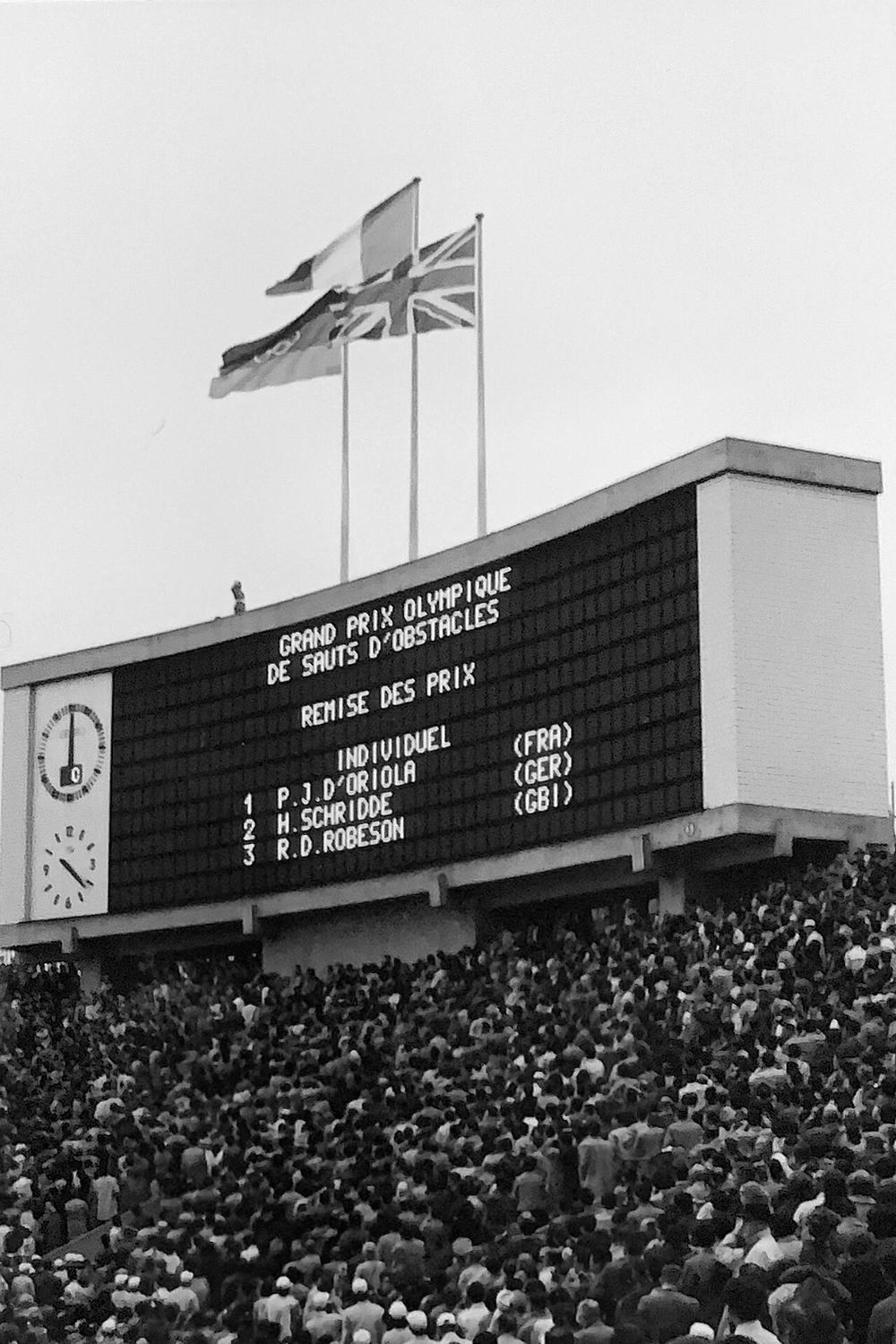
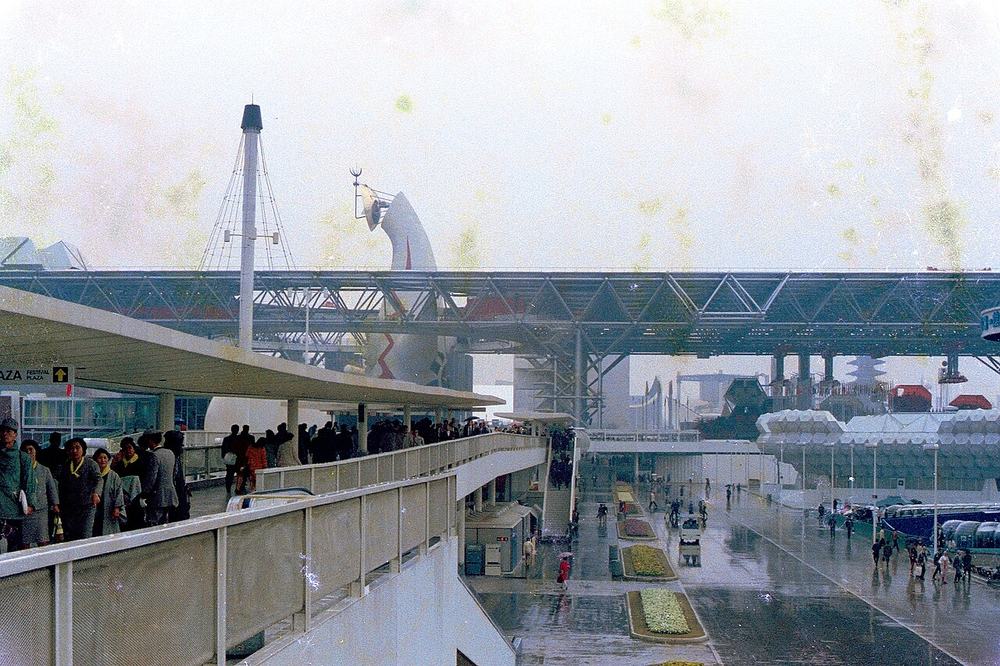
In 1945 Japan lay in ruins. Its cities had been bombed, its navy and merchant fleet were gone, its empire was dismantled, and its people were short of food. Twenty-three years later, in 1968, Japan had passed West Germany to become the second-largest economy in the world. The transformation — the post-war economic miracle — is one of the fastest national recoveries in modern history, and it changed what the world thought Japan was.
In short
Japan's high-growth era ran from about 1955 to the oil shock of 1973, with real GDP growing at an average of about 9 to 10 percent a year. The country was rebuilt under Allied occupation (1945 to 1952), regained sovereignty with the Treaty of San Francisco in 1952, and then industrialised at a speed no large country had matched. By 1968 it was the world's second-largest economy, a position it held until China passed it in 2010. The symbols of the miracle were the Tokyo Olympics of 1964 and the Shinkansen bullet train, which opened the same year.
Ruin and occupation
The war had destroyed about a quarter of Japan's wealth, and output in 1945 had fallen to roughly half its pre-war level. Under the Allied occupation, led by General Douglas MacArthur, Japan received a new constitution in 1947, which renounced war and gave the vote to women. Land reform broke up the great estates. The big industrial combines, the zaibatsu, were dissolved, though many regrouped later in looser form. The emperor remained on the throne, but as a symbol of the state rather than a divine ruler.
Recovery began slowly, then accelerated. The Korean War, which began in 1950, brought a flood of American military orders for Japanese factories, a procurement boom that restarted industry. By the mid-1950s output had passed its pre-war peak, and the government, through the Ministry of International Trade and Industry, steered scarce foreign exchange and cheap loans towards priority industries: first steel, then shipbuilding, then cars, then electronics.
Two things made the miracle possible that no government plan could have created: a literate, disciplined workforce, educated under the Meiji school system, and a very high rate of household saving, which gave banks the funds to lend to industry. Japanese companies also proved quick at borrowing foreign technology and improving it, rather than inventing everything from scratch.
The golden age, 1955 to 1973
From 1955 to 1973 Japan's real GDP grew at an average rate of about 9 to 10 percent a year, the fastest sustained expansion in modern economic history. Per capita income roughly tripled. Car ownership spread: the number of households with a car rose from about one in twenty in 1965 to one in five by 1970, and by 1970 almost every household owned a television, a refrigerator and a washing machine — the three sacred treasures of the new consumer age.
The landmarks of the period are still visible. Toyota launched the Corolla in 1966, the car that would become the best-selling car in history. Sony introduced the Trinitron colour television in 1968. In 1960 Prime Minister Hayato Ikeda promised to double incomes in a decade, and the Income Doubling Plan that followed cut taxes, raised farm prices and boosted welfare. In 1964 Japan joined the OECD, the club of advanced industrial economies, and hosted the Tokyo Olympics — the first Olympic Games held in Asia.
The Olympics and the Shinkansen, which opened nine days before the Games, were the miracle's coming-out party. Japan was no longer a defeated country asking for help; it was a modern industrial power, and it wanted the world to see it.
The end of the miracle — and what came after
The first oil shock of 1973 ended the fastest phase of growth. Japan imported almost all its energy, and the sudden rise in oil prices brought inflation and a sharp slowdown. Growth continued, but at a slower pace, around 4 percent a year through the 1970s and 1980s, and Japan became the world's largest creditor nation and a byword for quality manufacturing.
In the late 1980s, asset prices — land and shares — rose to extraordinary heights, and when the bubble burst in the early 1990s, Japan entered a long period of stagnation and low growth that economists called the lost decades. Banks were left with bad loans, prices barely rose, and young people faced a weaker jobs market than their parents had known.
The miracle is therefore best remembered as a specific period, 1955 to 1973, not as a permanent condition. Its lesson is not that Japan grew for ever, but that a country can rebuild from ruin in a single generation when education, savings and industry point in the same direction — and that no growth rate lasts for ever.
Key dates
| Date | Event |
|---|---|
| 1945 | Japan surrenders; Allied occupation begins; output is about half its pre-war level |
| 1947 | New pacifist constitution comes into force |
| 1950-1953 | Korean War procurement boom restarts Japanese industry |
| 1952 | Treaty of San Francisco restores Japanese sovereignty |
| 1955-1973 | High-growth era: real GDP grows about 9 to 10 percent a year |
| 1960 | Prime Minister Ikeda announces the Income Doubling Plan |
| 1 October 1964 | The Shinkansen opens between Tokyo and Osaka |
| 10 October 1964 | Tokyo Olympics open, the first Games in Asia |
| 1966 | Toyota launches the Corolla |
| 1968 | Japan passes West Germany to become the world's second-largest economy |
| 1970 | Osaka hosts Expo 70; almost every household owns a television |
| 1973 | First oil shock ends the high-growth era |
Sources: Wikipedia, "Showa era"; Willamette University, "Dimensions of the Postwar Economic Miracle". Checked 28 November 2026.