Hiroshima and Nagasaki
On 6 and 9 August 1945, the United States dropped atomic bombs on the Japanese cities of Hiroshima and Nagasaki. They remain the first and only uses of nuclear weapons in war. The two bombings killed between 150,000 and 246,000 people by the end of 1945, most of them civilians, and thousands more died in the years that followed. This guide tells what happened, as plainly as the facts allow, and what the two cities became afterwards.
In short
At 8.15 a.m. on 6 August 1945, an American B-29 bomber dropped a uranium bomb, nicknamed Little Boy, on Hiroshima. About 70,000 to 80,000 people died on the first day, and about 140,000 had died by the end of the year. At 11.02 a.m. on 9 August, a plutonium bomb, nicknamed Fat Man, was dropped on Nagasaki, killing about 40,000 people at once and about 70,000 by the end of 1945. The exact numbers can never be known: records were destroyed, and many victims died weeks or months later from burns and radiation sickness. Japan announced its surrender six days after Nagasaki.
Two mornings in August
Hiroshima was a city of about 350,000 people, a port and a military headquarters. The bomb, the first atomic bomb used in warfare, exploded about 600 metres above the city centre. Roughly half of the deaths in each city happened on the first day; the rest died over the following weeks and months from burns, injuries and radiation sickness. About 70 percent of Hiroshima's buildings were destroyed or damaged.
Nagasaki was a port city of about 200,000 people, with shipyards and a long history of foreign trade — it had been Japan's window to the West during the closed-country centuries. The second bomb had originally been aimed at Kokura, but cloud cover over that city sent the bomber on to its secondary target, Nagasaki. The bomb exploded about 500 metres above the ground. Hills around the city limited the destruction compared with Hiroshima, but the blast still destroyed much of the city and killed about 40,000 people immediately.
The survivors of both bombings are called hibakusha, the explosion-affected people. Many suffered burns, radiation sickness, and, in later years, higher rates of leukaemia and other cancers. Their testimony, collected over decades, is the main reason the human cost of the bombings is understood at all.
Why the numbers are uncertain
No exact death toll exists, and historians give ranges, not single figures. The commonly cited ranges are 90,000 to 166,000 killed in Hiroshima by the end of 1945 and 60,000 to 80,000 in Nagasaki, for a combined total of about 150,000 to 246,000. The city of Hiroshima's own count, including later deaths from bomb-related causes, has passed 340,000; Nagasaki's has passed 190,000. These counts keep growing as more deaths are recognised.
The uncertainty has several causes. The bombs destroyed hospitals, government offices and the records kept in them. People moved in and out of the cities, and many victims were never identified. And radiation sickness killed people slowly, over weeks, months and years, so the line between dying of the bomb and dying of something else is not always clear.
This guide gives the ranges used by historians, and the widely used round figures of about 140,000 for Hiroshima and about 70,000 for Nagasaki by the end of 1945. Any single number presented as exact should be treated with suspicion.
Why the bombs were dropped, and what followed
Historians still debate why the bombs were used. The American government said they were needed to end the war quickly and avoid an invasion of Japan, which was expected to cost enormous casualties on both sides. Critics have argued that Japan was already close to surrender, that the Soviet declaration of war on 8 August mattered as much, and that the bombs were also meant as a warning to the Soviet Union. The debate continues, and this guide does not settle it: the facts about what happened are clear, and the question of whether it was necessary is a matter of judgement, not of dates.
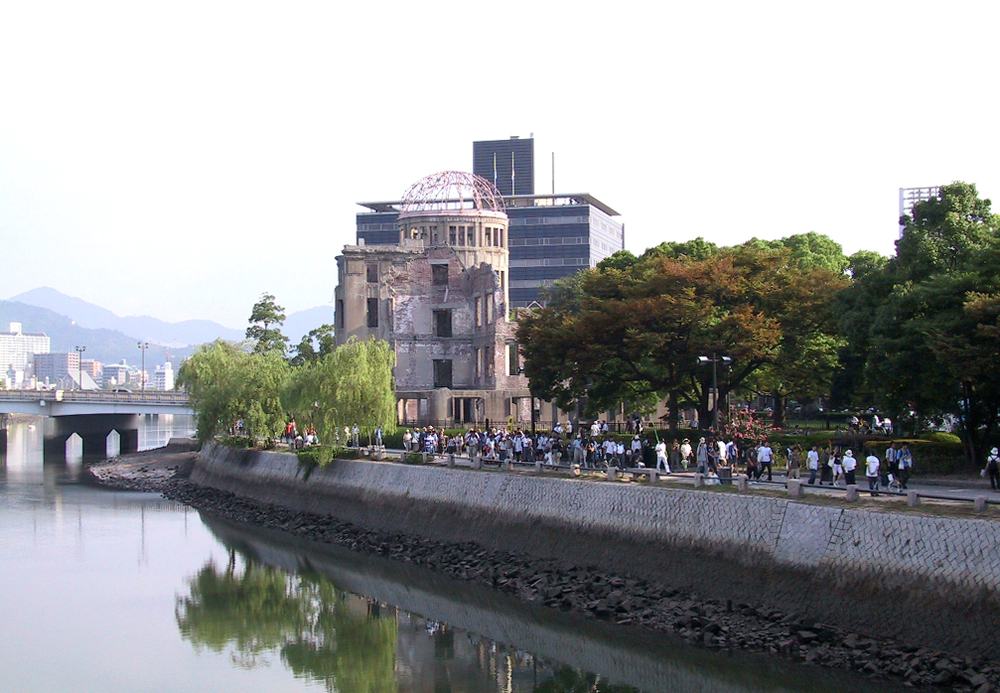
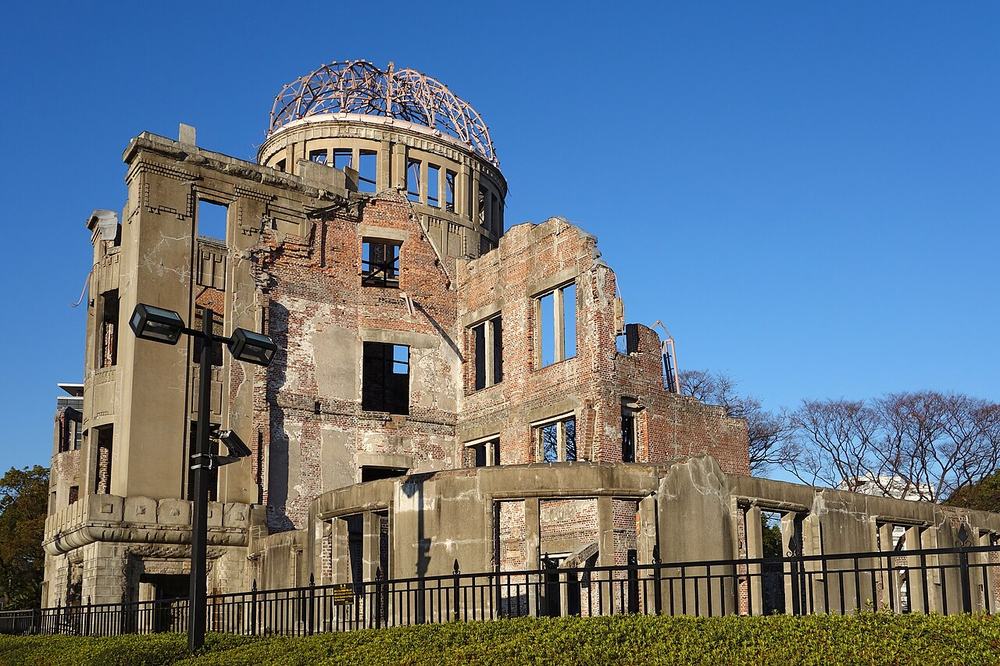
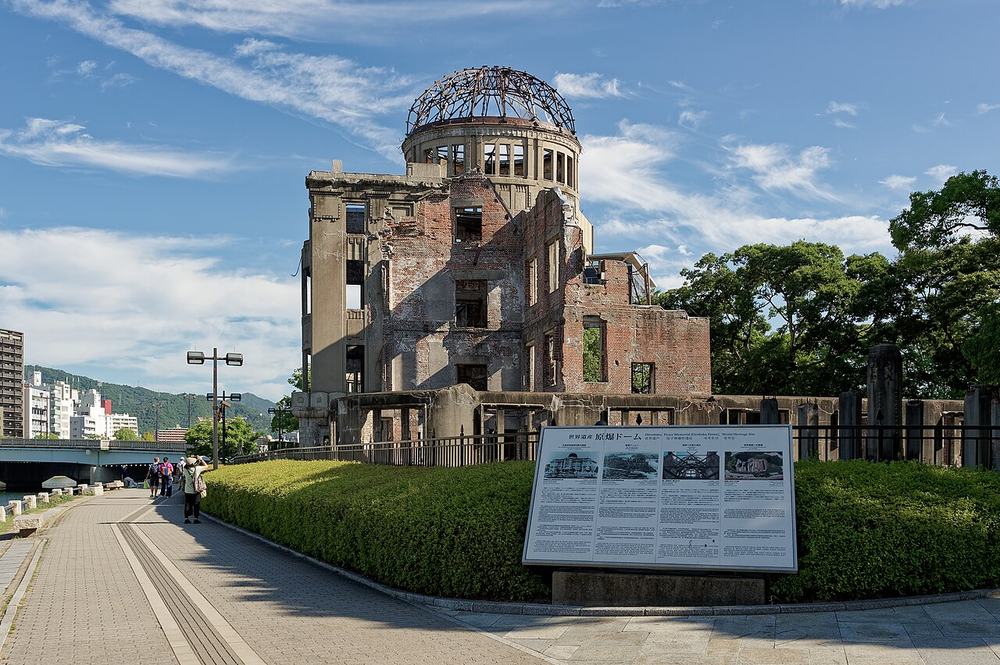
What followed is not in doubt. On 15 August 1945 Emperor Hirohito announced Japan's surrender, and on 2 September the formal surrender was signed. Both cities were rebuilt. In Hiroshima, the ruined shell of the Prefectural Industrial Promotion Hall was preserved as the Atomic Bomb Dome, now the centre of the Peace Memorial Park and a UNESCO World Heritage site. Nagasaki rebuilt its port and shipyards and created its own Peace Park.
The bombings also changed the world. They opened the nuclear age, and the knowledge that such weapons existed — and had been used — has shaped every war and every negotiation since. No nuclear weapon has been used in war since 9 August 1945.
Key dates
| Date | Event |
|---|---|
| 6 August 1945, 8.15 a.m. | Atomic bomb (Little Boy) dropped on Hiroshima |
| 6 August 1945 | About 70,000 to 80,000 people die in Hiroshima on the first day |
| 8 August 1945 | The Soviet Union declares war on Japan |
| 9 August 1945, 11.02 a.m. | Atomic bomb (Fat Man) dropped on Nagasaki |
| 9 August 1945 | About 40,000 people die in Nagasaki on the first day |
| By the end of 1945 | About 140,000 dead in Hiroshima; about 70,000 in Nagasaki (ranges vary) |
| 15 August 1945 | Emperor Hirohito announces Japan's surrender |
| 2 September 1945 | Formal surrender signed aboard the USS Missouri |
| 1996 | The Atomic Bomb Dome in Hiroshima is listed as a UNESCO World Heritage site |
Sources: Wikipedia, "Atomic bombings of Hiroshima and Nagasaki"; History Tools, "The Atomic Bombings of Hiroshima and Nagasaki"; ThePrint, "Factbox: The atomic bombings of Hiroshima and Nagasaki"; US National Archives, "The Day of Infamy". Checked 28 November 2026.