Cherry Blossom Culture
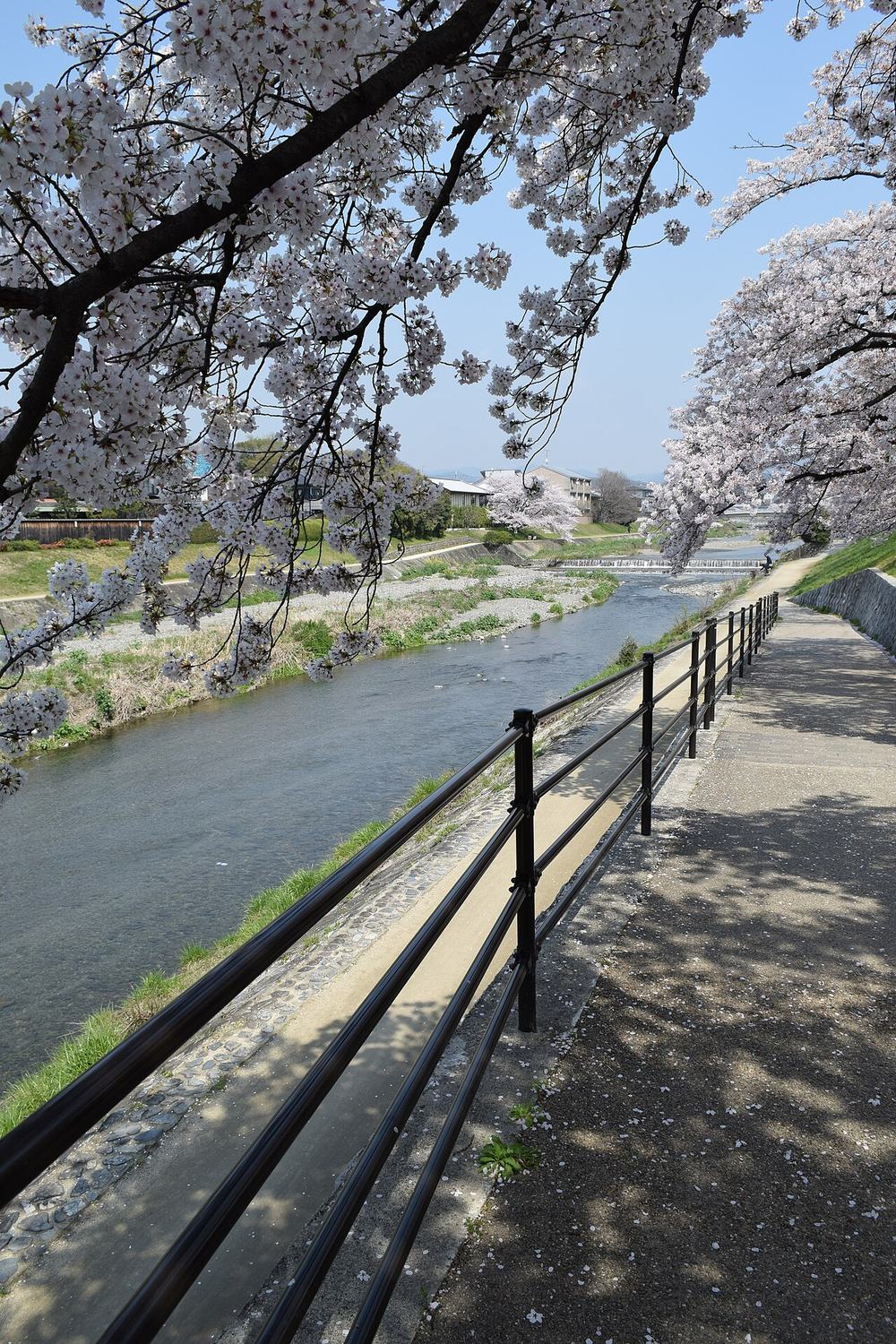
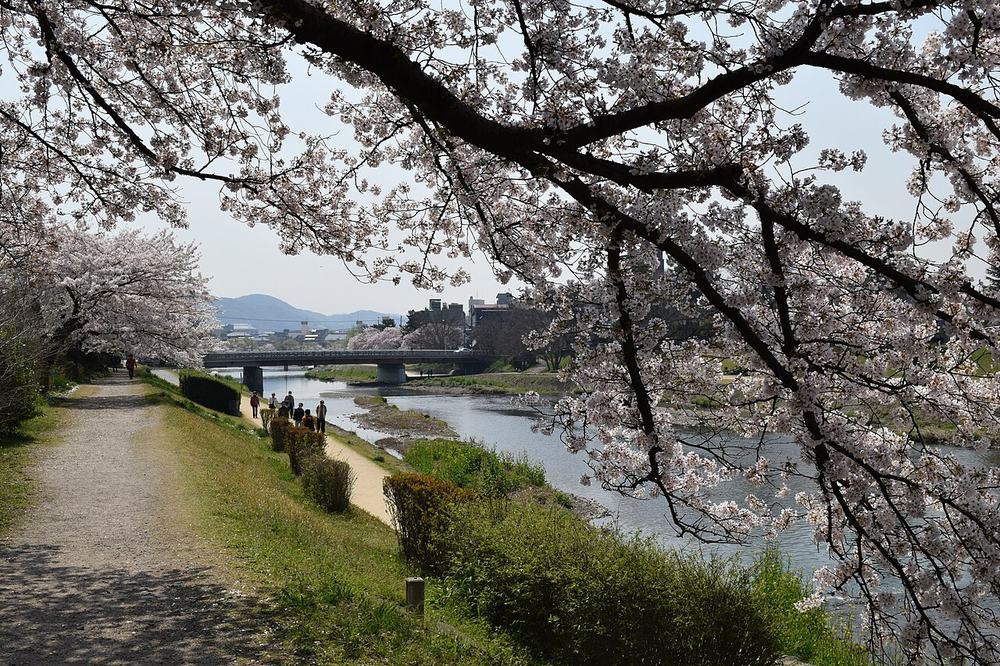
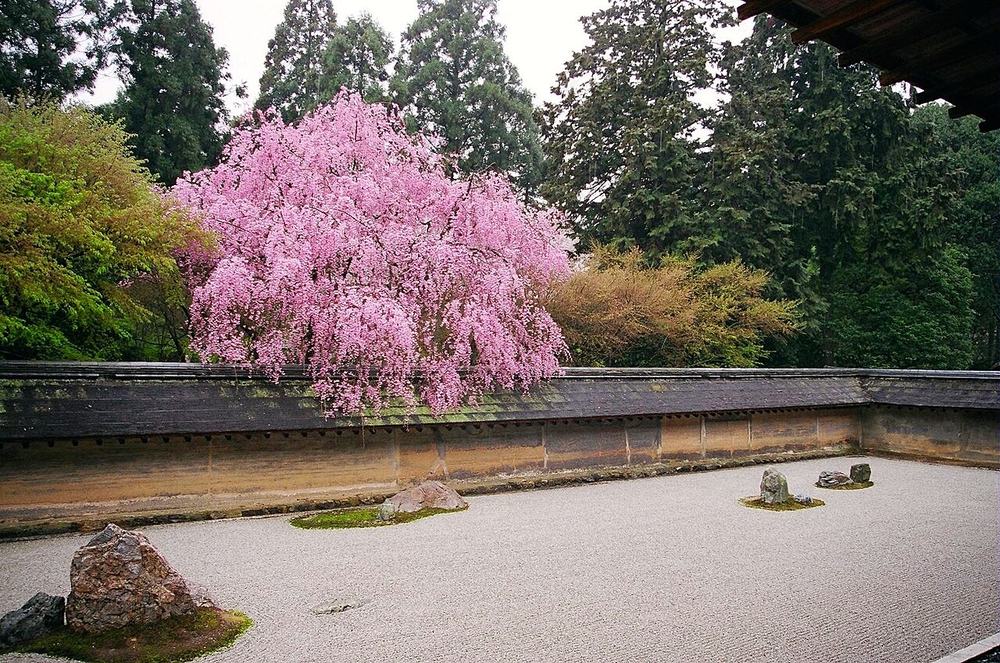
Every spring, Japan stops to look at trees. For about a week at full bloom, cherry blossom — sakura — turns parks, riversides and temple grounds pink and white, and people gather beneath the branches with food, drink and friends, in a custom called hanami, flower viewing. It is more than a thousand years old, it has been the subject of poems, paintings and philosophy, and it is the most famous seasonal ritual in Japan. To follow the cherry blossom through the centuries is to follow Japanese history itself.
In short
Hanami, literally flower viewing, is the Japanese custom of enjoying the cherry blossom, sakura, in spring. The custom began in the Nara period (710 to 794), when the blossoms admired were plum, not cherry. By the Heian period (794 to 1185), cherry blossoms had become the flower of spring, and hanami was synonymous with sakura. The blossoms open quickly, last about a week at full bloom, and scatter in the wind — a brevity that Japanese poetry has prized for a thousand years as a reminder that beautiful things do not last.
From plum to cherry
The earliest flower viewing in Japan centred not on the cherry but on the plum, ume, a tree introduced from China and admired by the cultured elite who modelled their tastes on Tang Chinese literature. The great poetry anthology of the eighth century, the Manyoshu, contains many more poems about plum blossoms than about cherries.
During the Heian period, which began when the capital moved to Heian-kyo, modern Kyoto, in 794, the balance shifted. Cherry trees, native to the Japanese mountains, became the favoured flower of court poets. In the Kokinshu, an imperial anthology completed around 905, cherry blossoms outnumber plum blossoms, and in court usage the word hana, flower, came to mean the cherry blossom above all.
Historians often point to a cherry-blossom banquet held by Emperor Saga in 812 at the Shinsen-en garden in the capital as one of the earliest recorded imperial flower-viewing parties, a model for later court celebrations. A chapter of The Tale of Genji, written by Murasaki Shikibu in the early eleventh century, centres on a spring cherry-blossom banquet at the palace.
From the court to the people
For Heian aristocrats, cherry viewing was an occasion for poetry, music and display. Courtiers composed verses under the trees, competed in elegant dress, and drank sake. Poets prized the cherry above all for its brevity: the blossoms open quickly, last about a week at full bloom and scatter in the wind. That swift passage fit a Buddhist sense of impermanence, and the feeling later described as mono no aware, a gentle sorrow at the passing of things.
In the age of the samurai, powerful men used hanami to display wealth and authority. The best-known example is the grand cherry-viewing party that the warlord Toyotomi Hideyoshi held at the Daigo-ji temple south of Kyoto in the spring of 1598, a few months before his death, for which some 700 cherry trees were planted. The three-coloured dumplings said to have been created for that event are believed to be the origin of today's hanami dango.
The custom became truly popular in the Edo period, from 1603 to 1868. In the eighteenth century the eighth shogun, Tokugawa Yoshimune, encouraged the spread of cherry-blossom viewing by planting wild mountain cherry trees in scenic spots and opening those spaces to ordinary people. What had been a court pastime became a festival of townspeople.
The Somei Yoshino and the blossom front
Many of Japan's cherry trees today belong to a single variety, the Somei Yoshino, a hybrid developed by nurserymen in the village of Somei, on the edge of Edo, in the mid-nineteenth century. Because it can be propagated by grafting, it spread quickly across the whole country after the Meiji period, and it is now the most common cherry tree in Japan. Its flowers open almost all at once, which is why whole avenues turn pink in a single week — and why the season feels so short.
The blossom is tracked like weather. The Japan Meteorological Agency publishes forecasts, and the cherry blossom front, sakura zensen, is a line drawn across a map of Japan connecting places where the Somei Yoshino is forecast to open on the same day. The front moves from the warm south-west in late March towards the cold north, reaching Hokkaido in early May. Peak bloom in Tokyo and Kyoto is usually in late March or early April, but the exact dates move by a week or more from year to year, and the forecasts are followed almost as closely as the weather itself.
The blossom has travelled, too. In 1912 Japan gave more than 3,000 cherry trees to the city of Washington, D.C., where they still bloom around the Tidal Basin each spring. The gift has been repeated since, and cherry blossom festivals are now held far beyond Japan. The trees are Japanese; the habit of stopping to look at them, briefly, together, is now shared by the world.
Key dates
| Date | Event |
|---|---|
| 710-794 | Nara period: flower viewing begins, centred on plum blossom |
| 794 | Capital moves to Heian-kyo (Kyoto); the Heian period begins |
| 812 | Emperor Saga holds an early recorded cherry-blossom banquet |
| c. 905 | Kokinshu anthology: cherry blossoms outnumber plum blossoms |
| Early 11th century | The Tale of Genji describes a cherry-blossom banquet |
| 1598 | Toyotomi Hideyoshi holds the great Daigo cherry-viewing party |
| 18th century | Shogun Tokugawa Yoshimune plants cherry trees in public places |
| Mid-19th century | The Somei Yoshino variety is developed at Somei village |
| 1912 | Japan gives more than 3,000 cherry trees to Washington, D.C. |
| Late March to early May | The cherry blossom front moves across Japan each spring |
Sources: Wikipedia, "Hanami"; Nippon.com, "Hanami: A Springtime Symphony of Blossoms"; Highlighting Japan, "History of Japan's Unique Cherry Blossom Species and Flower-Loving Culture"; Historian, "Hanami: The Cherry Blossom Tradition". Checked 28 November 2026.